The whole Cartel File in one place: the Sinaloa history, El Chapo, Escobar, and every narco special the desk has published. The cartels built an empire in the open. This is the record.
The Features Desk · Special Report · The Cartel File
How does a criminal organization run for half a century, across a militarized border, against the two richest governments on Earth, and outlive every kingpin hunt ever announced? The Sinaloa Cartel’s own history answers the question, and in April 2026 the United States Department of Justice answered it again, in an indictment naming the sitting governor of Sinaloa. This is the full file: the bodyguard who founded it, the agent whose murder exposed it, the wars that fed it, the American guns that armed it, and the courtrooms that finally read its ledger out loud.
By Edward Dawe
November 26, 2026
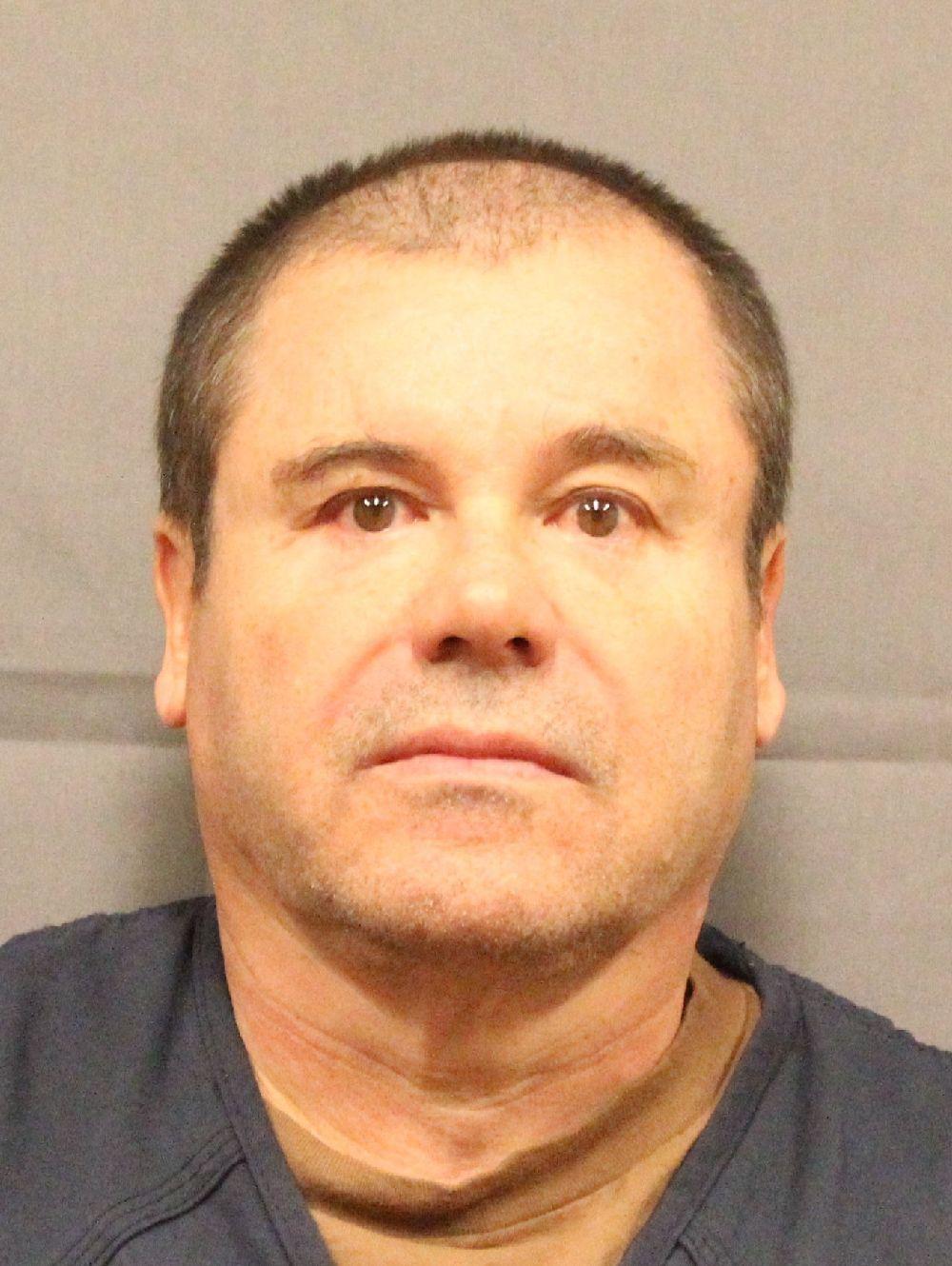
Open the full article ▸Joaquín “El Chapo” Guzmán, photographed by United States authorities after his extradition in January 2017. He is serving life plus thirty years in the federal supermax at Florence, Colorado. His partner of three decades, Ismael “El Mayo” Zambada, joined him in an American cell this year. The organization they built is at war with itself, and still moving product. Photo: U.S. authorities, public domain, via Wikimedia Commons.
Two prison escapes. A mile of tunnel with its own motorcycle. A bribe figure with nine zeros, sworn to in a Brooklyn courtroom. The official story says Joaquín Guzmán was a criminal genius who outsmarted two governments. The sworn record says something else: he was the best customer a protection market ever had, and the market is still open.
By Edward Dawe
November 26, 2026
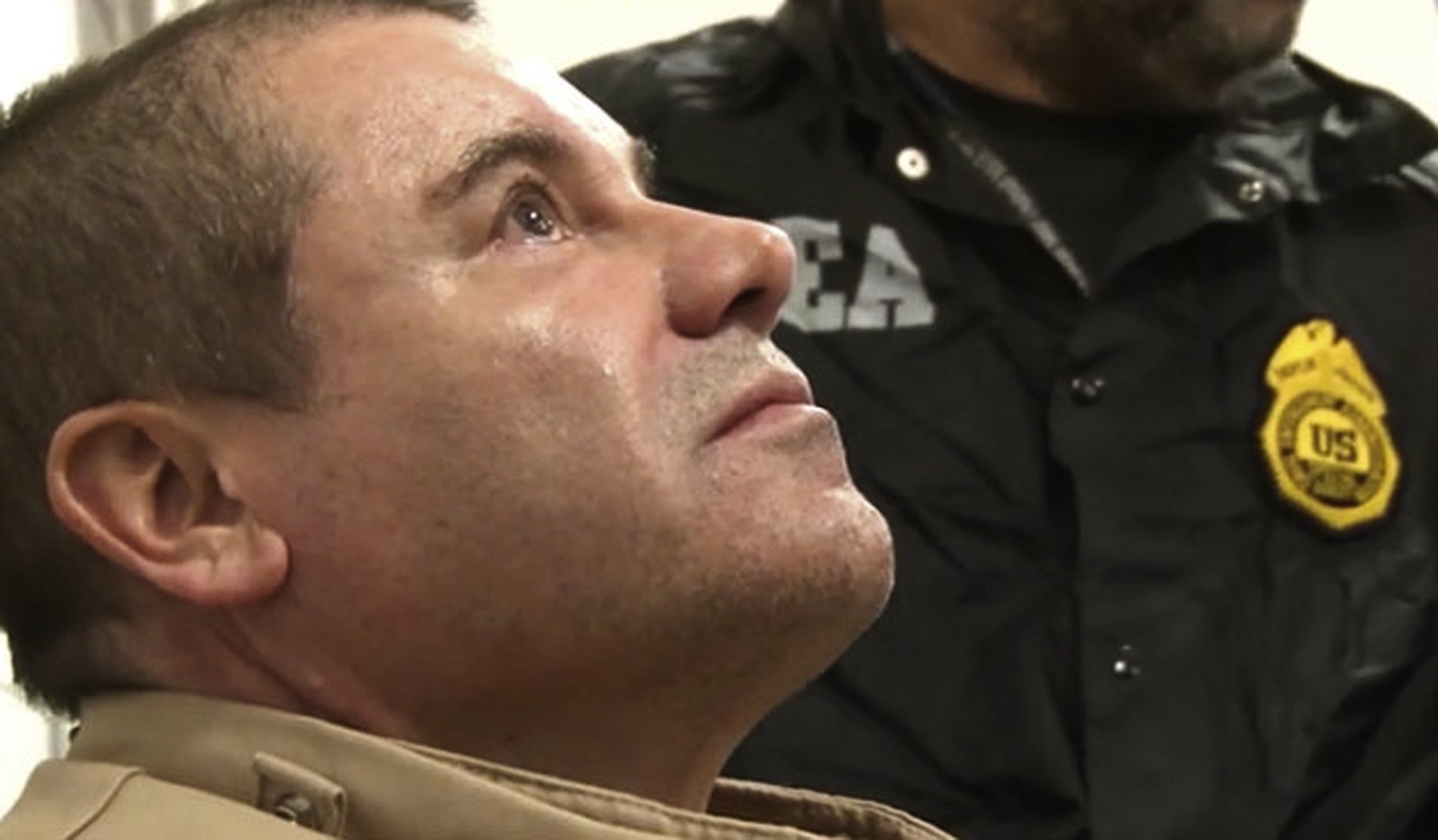
Open the full article ▸Joaquín “El Chapo” Guzmán in United States custody beside a DEA agent after his extradition on January 19, 2017. The man Washington calls the most dangerous trafficker alive needed two governments to hold him, and Mexico could not do it once. U.S. government photo, via Wikimedia Commons.
What does a country owe the truth when its own appetite built the monster? Pablo Escobar sold cocaine into a market the United States stocked with customers and cash, made war on the Colombian state when it moved to hand him over, and died on a Medellín rooftop on December 2, 1993. The official story says a police unit killed him. His family, his rivals and the record itself are not so sure.
By Edward Dawe
November 26, 2026
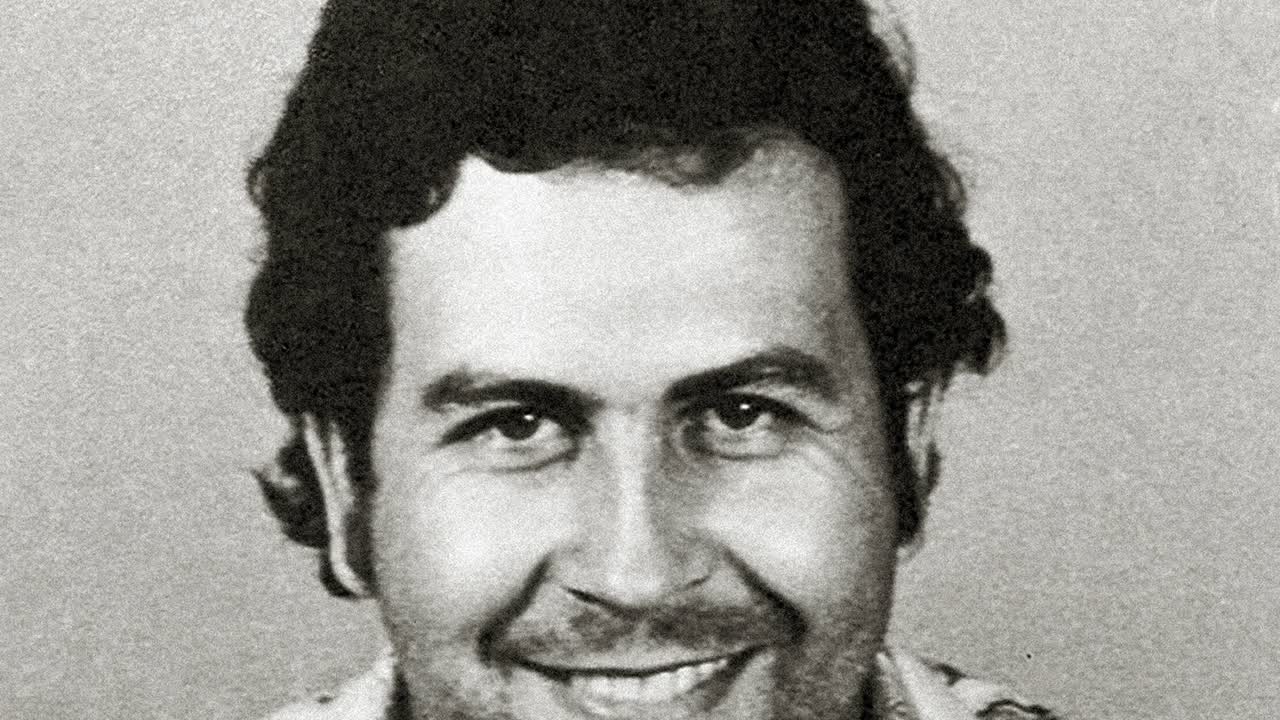
Open the full article ▸The grin that opened the file: Pablo Escobar in the booking photograph taken after his arrest in Medellín in May 1976 with 39 kilograms of cocaine in a spare tire. The case collapsed, and officers connected to the arrest were later murdered. Photo: Colombian National Police, public domain, via Wikimedia Commons.
What if the most powerful crime syndicate in history wore suits, owned the pharmacy chain, and listened in on the phones of the embassy sent to hunt it? Pablo Escobar was the noise. The Gentlemen of Cali were the system: a board of directors, a private intelligence service, and a money trail that reached all the way to a presidency.
By Edward Dawe
November 26, 2026
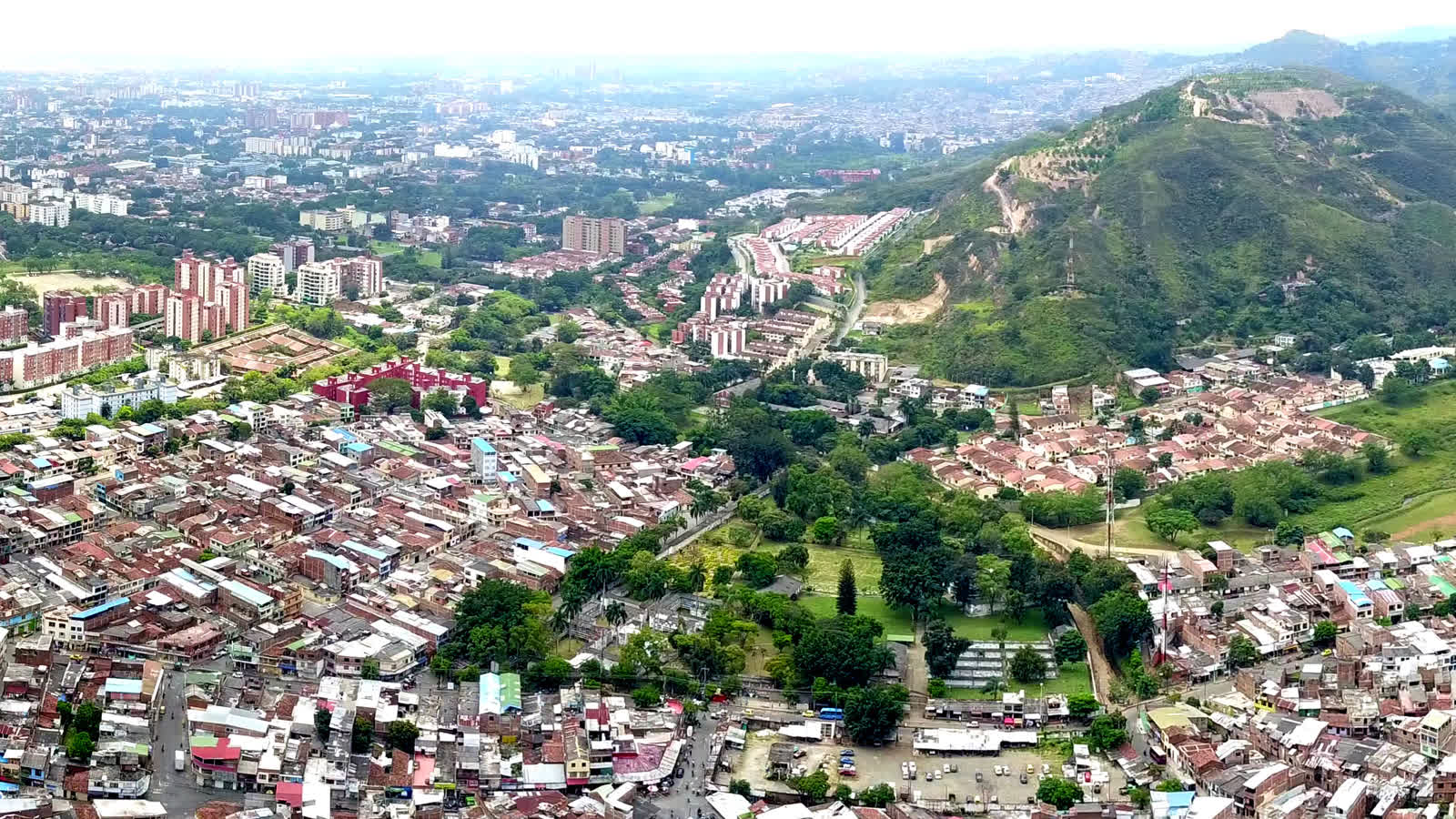
Open the full article ▸Cali, Colombia, beneath the Cerro de las Tres Cruces. By the early 1990s the cartel had a hand in an estimated 40 percent of the city’s commercial development, and its informants watched the roads in and out. Photo: Neoredacturus, via Wikimedia Commons (CC BY-SA 4.0).
Bogotá and Washington held their victory ceremony on a Medellín rooftop on December 2, 1993, and declared the cartel finished. What died that day was a brand name. The routes, the chemists, the protection and the American demand changed letterheads, and three decades later the United Nations counts more Colombian cocaine than ever existed under Pablo Escobar.
By Edward Dawe
November 26, 2026
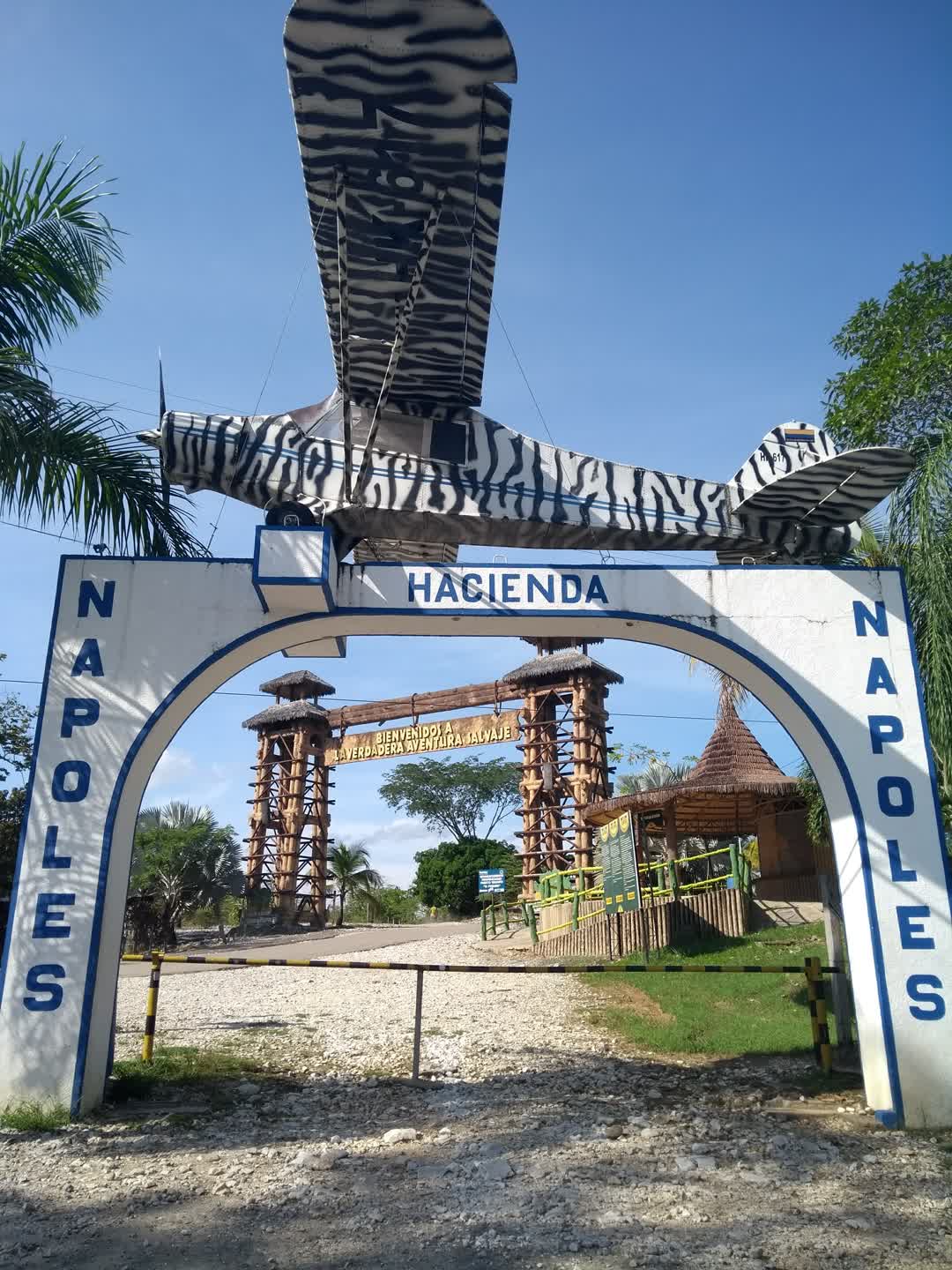
Open the full article ▸The gate of Hacienda Nápoles today. Escobar’s estate was looted, seized by court order, and reopened as a theme park. The cocaine business he left behind got no such retirement. Photo: Marta Hermaniuk, via Wikimedia Commons (CC BY-SA 4.0).
What happens to an empire when the man who drew its map dies in a hospital bed, still wearing the state’s chains? Miguel Ángel Félix Gallardo invented the plaza system every Mexican cartel still runs on, and on November 15 the system buried its architect: quietly, at 80, in Guadalajara, a prisoner to the last hour.
By Edward Dawe
November 26, 2026
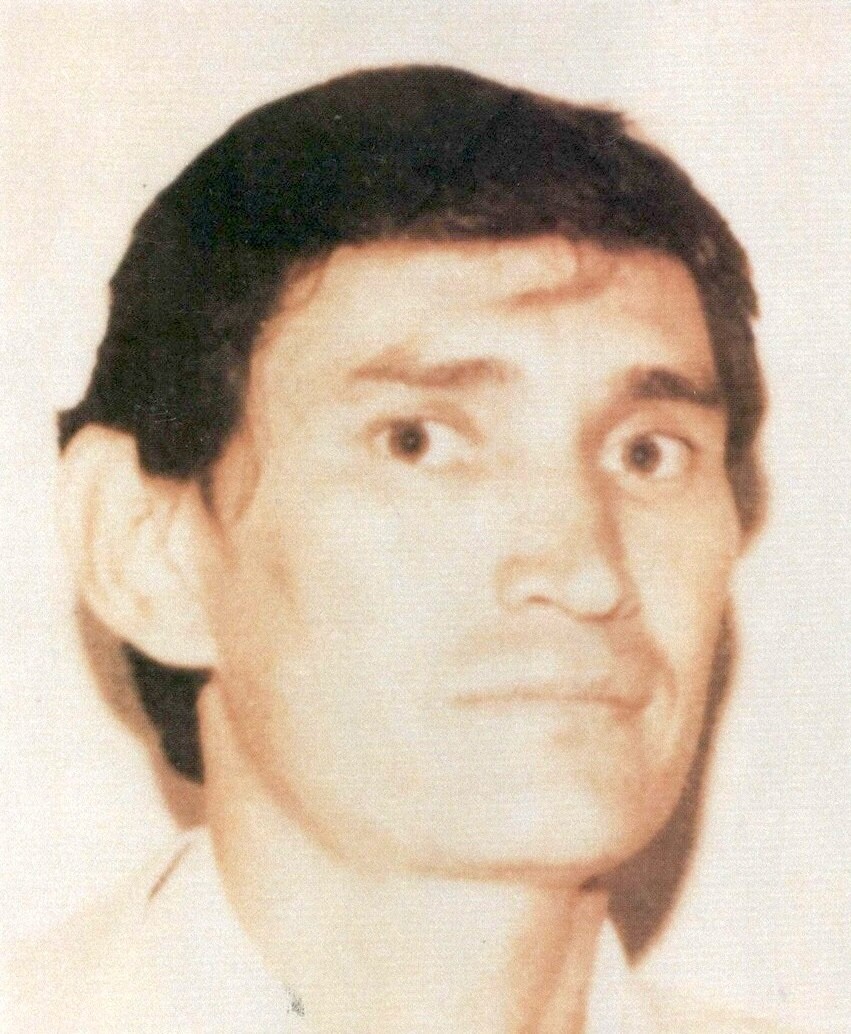
Open the full article ▸Miguel Ángel Félix Gallardo in 1984, photographed for a false identification document, a year before the Camarena murder made him the most hunted trafficker in Mexico. Photo via Wikimedia Commons.
Why did the United States spend forty years, a $20 million bounty and the lives of fourteen Mexican marines hunting one aging marijuana grower from the hills of Sinaloa, while entire cartels rose, industrialized and fell unmolested? Because in February 1985, Rafael Caro Quintero’s organization kidnapped, tortured and murdered a DEA agent named Enrique “Kiki” Camarena, and the American state does not forgive that particular debt. This is the full file: the grass empire of Rancho Búfalo, the agent who found it, the court ruling that emptied his cell in the middle of the night, the dog that found him in the brush nine years later, and the Brooklyn courtroom where, at 74, he now waits to learn whether he dies in an American prison.
By Edward Dawe
November 26, 2026
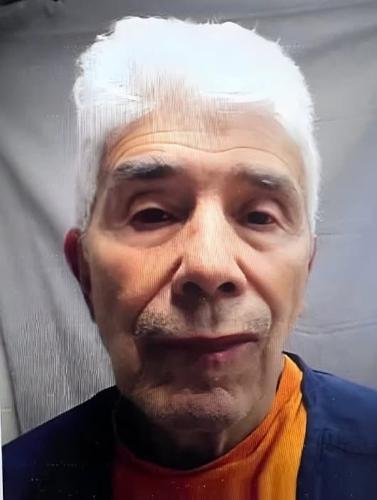
Open the full article ▸Rafael Caro Quintero in United States custody on February 28, 2025, the morning after Mexico put him on a plane north with 28 other cartel figures. He was 72 years old. The United States had been trying to put him in an American courtroom for forty years, since the week one of its agents was found in a shallow grave in Michoacán. Photo: U.S. Department of Justice, public domain, via Wikimedia Commons.
What does it take to build America’s cocaine pipeline before the cartels had names, help turn Miami into a murder capital, and still never stand convicted of the killings the whole world lays at your door? Griselda Blanco, La Madrina, ran the trade a decade before Pablo Escobar was a headline. The legend says she ordered two hundred murders. The court record says something narrower and stranger. The Info Soldier opens both files.
By Edward Dawe
November 26, 2026
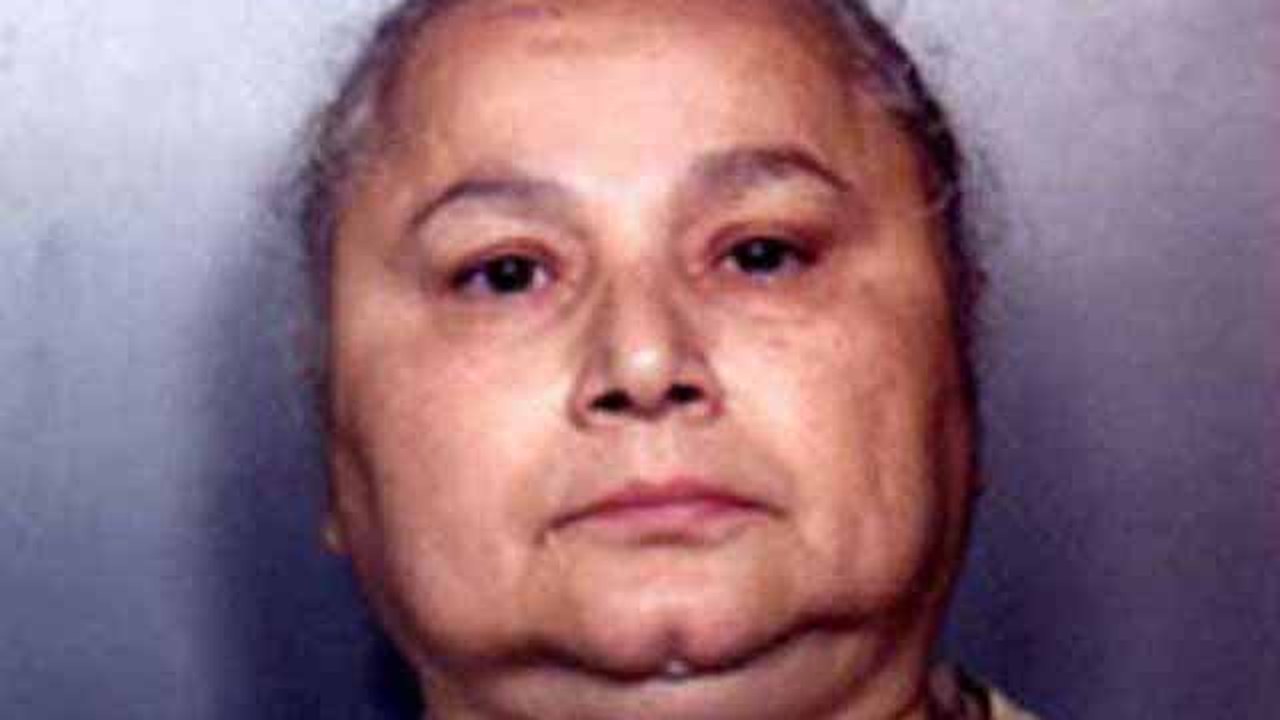
Open the full article ▸Griselda Blanco in a Metro-Dade police photograph. Investigators attributed dozens of killings to her organization across two decades. American courts convicted her of cocaine conspiracy and took her guilty plea on three murders. No jury ever weighed the rest. Photo: Metro-Dade Police Department (public domain).
What if the cartel wars were never only about cocaine? Gonzalo Rodríguez Gacha, El Mexicano, was the Medellín cartel’s military chief: an emerald enforcer who bought the Middle Magdalena, hired foreign mercenaries to train his killers, and fielded a private army of a thousand men. The state killed him in December 1989. The army he built spent the next twenty years inside Colombian politics.
By Edward Dawe
November 26, 2026
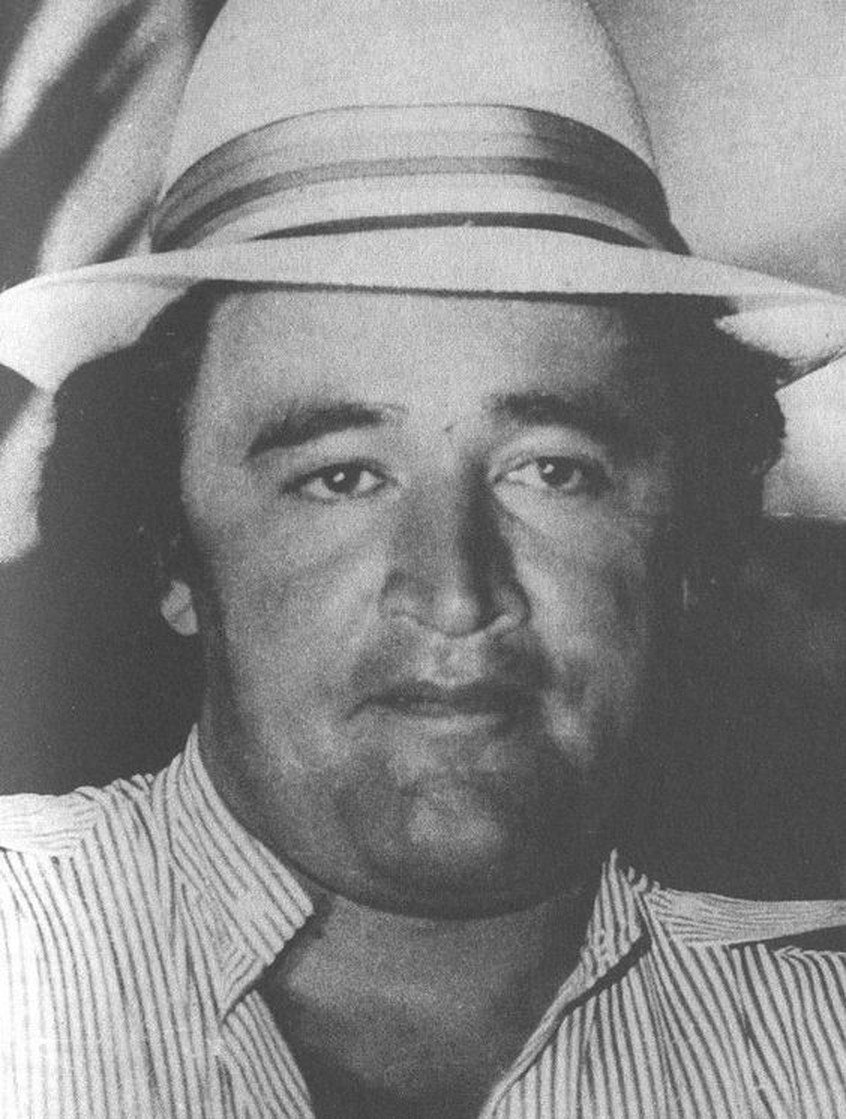
Open the full article ▸José Gonzalo Rodríguez Gacha, El Mexicano, in the DEA photograph that became his public face. The Medellín cartel’s military chief built Colombia’s first great narco paramilitary army in the Middle Magdalena. Photo: U.S. Drug Enforcement Administration, via Wikimedia Commons (public domain).
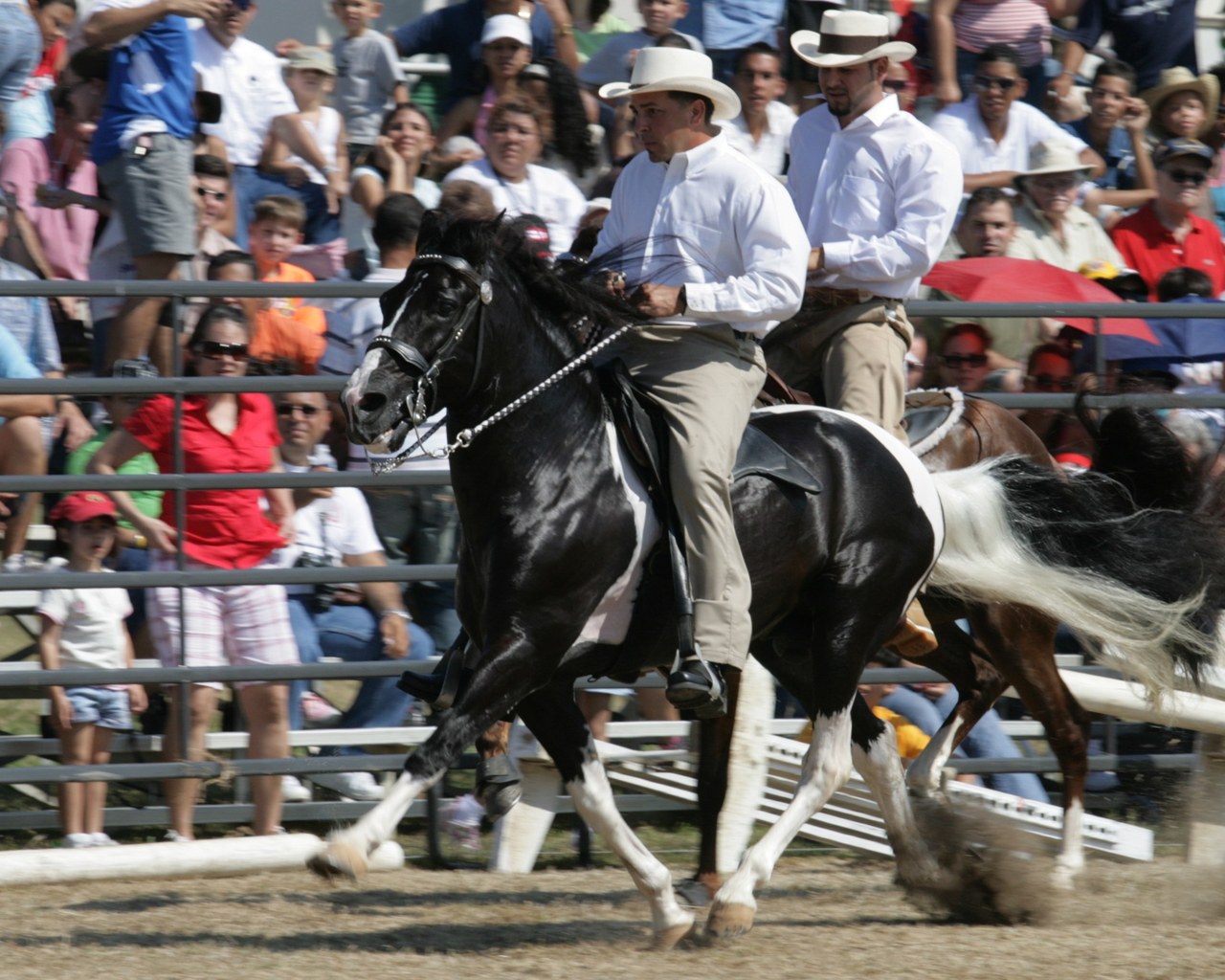
How did the sons of a Medellín horse breeder end up running the money and the Miami docks for the biggest cocaine machine on earth, and why did the brother Washington spent twenty five years locking up walk out of a Bogotá airport a free man, two days before Christmas?
By Edward Dawe
November 26, 2026
Open the full article ▸A Paso Fino at full gait before a show crowd. Don Fabio Ochoa Restrepo raised more than a thousand of the breed on his ranches near Medellín, and the horse world, not the cartel, was the family’s public face for decades. Photo: Arsdelicata, via Wikimedia Commons (CC BY-SA 3.0).
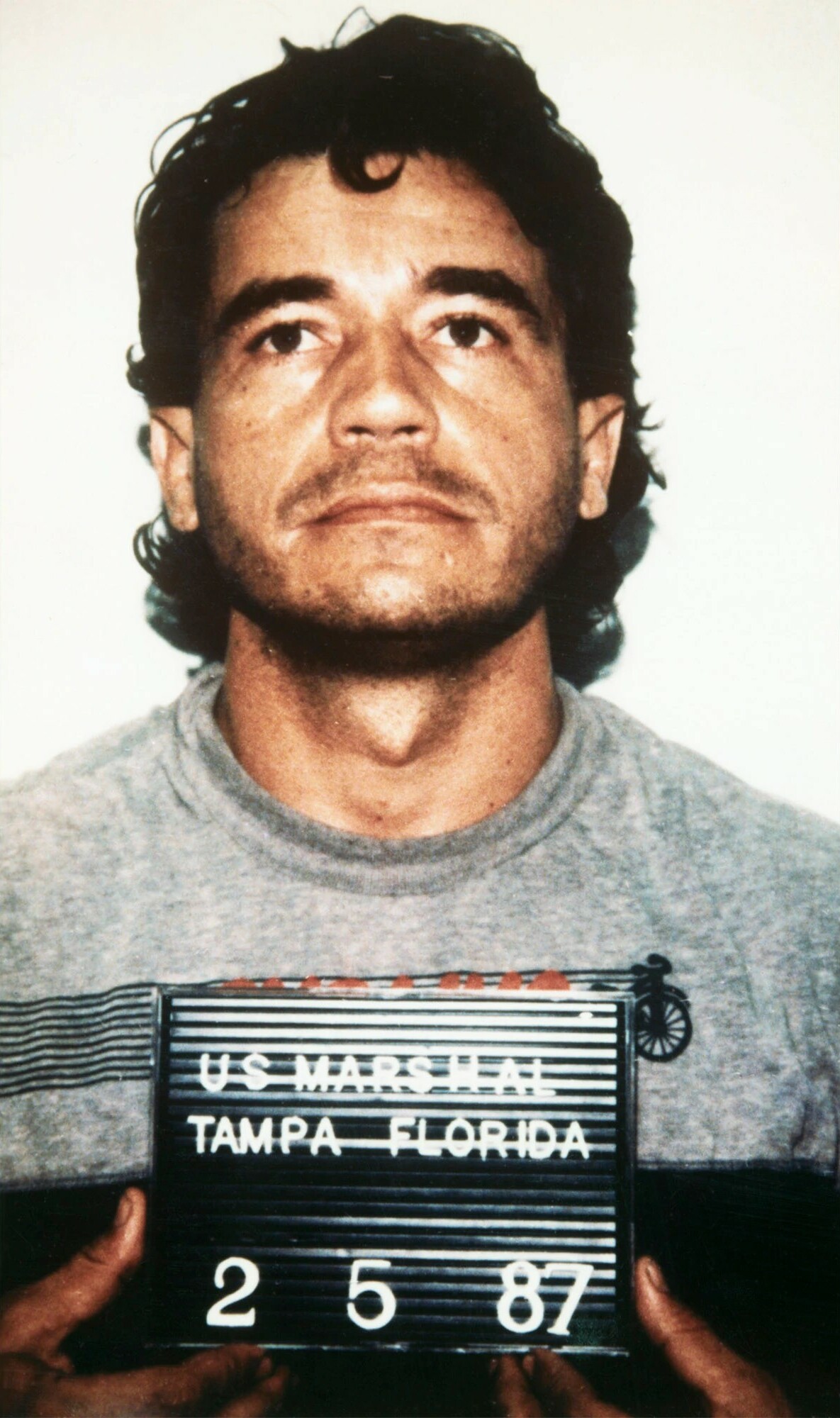
What finally beat the man no army could catch, the transport genius who turned cocaine into an airline? Not a raid, not a bounty, not a bullet. A courtroom in Jacksonville, Florida, and a legal instrument called extradition. This is the full file on Carlos Lehder: the prison cell where the plan was drawn, the Bahamian island he turned into an airport, the sentence of life plus 135 years, the testimony against a dictator that bought half of it back, and the free man who walked out of a Bogotá airport in 2025.
By Edward Dawe
November 26, 2026
Open the full article ▸Carlos Lehder in U.S. Marshals custody, Tampa, Florida, February 5, 1987, one day after Colombian police pulled him out of a party at a ranch near Guarne and put him on a plane north. He was the first major Colombian trafficker ever extradited to the United States. Photo: U.S. Marshals Service, public domain, via Wikimedia Commons.
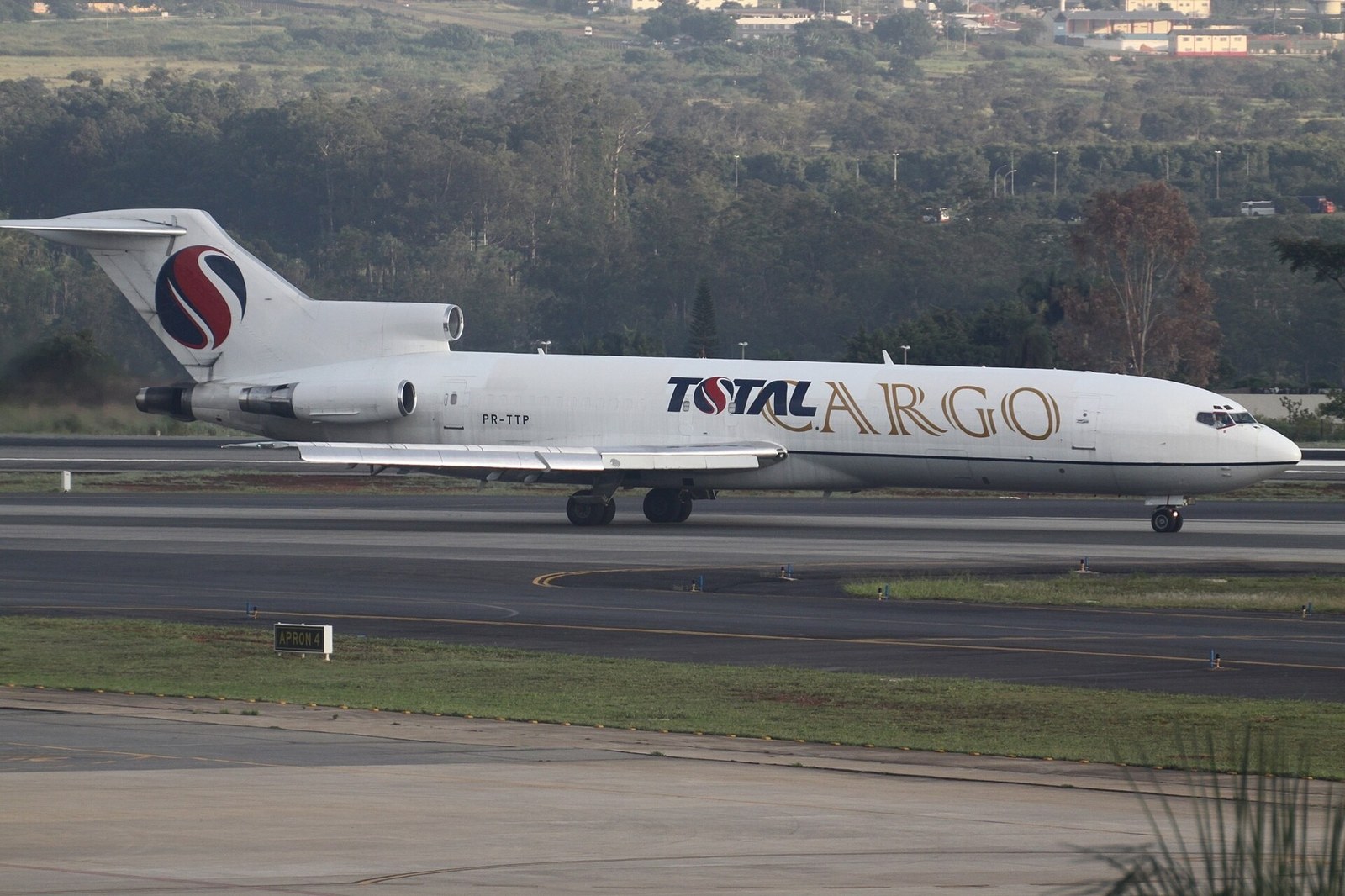
What does a man do when he owns a fleet of airliners, the richest plaza on the border, and the general in charge of hunting him, and it is still not enough to keep him alive? Amado Carrillo Fuentes tried to buy the last thing his money could purchase: a new face. He died on the table paying for it, and the men who sold it to him were found in concrete.
By Edward Dawe
November 26, 2026
Open the full article ▸A Boeing 727 freighter, the workhorse of the fleet that made Amado Carrillo Fuentes “El Señor de los Cielos,” the Lord of the Skies: converted airliners that lifted multi-ton cocaine loads out of Colombia and set them down on airstrips across Mexico. Photo via Wikimedia Commons (CC BY-SA 3.0).
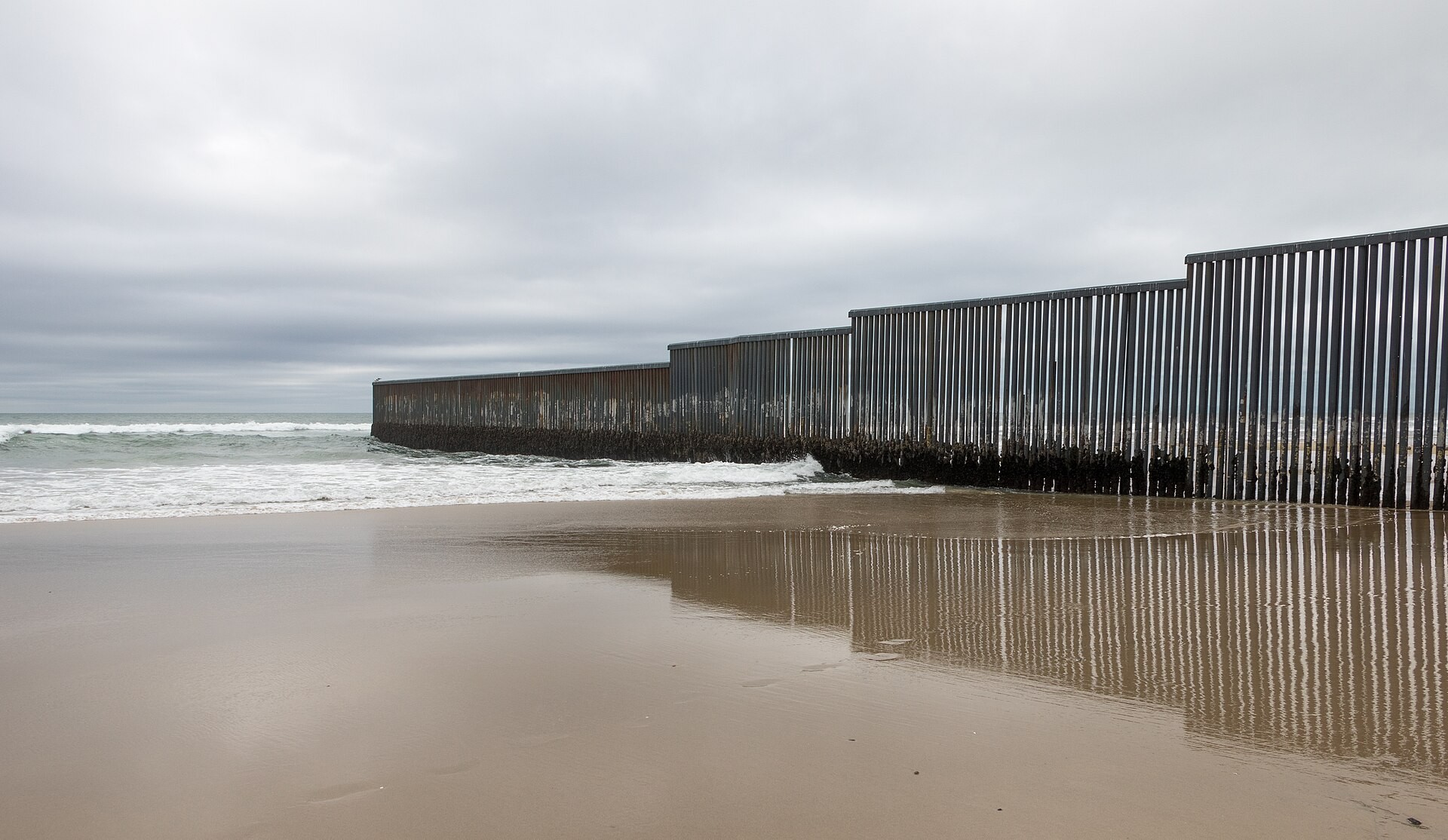
How did seven brothers from Culiacán turn one border crossing into the most valuable toll booth on earth, tax every load that moved through Tijuana, and write the playbook for every plaza war Mexico has fought since? And why is the booth still collecting, a generation after the family fell?
By Edward Dawe
November 26, 2026
Open the full article ▸The end of the line: the border fence runs into the Pacific at Playas de Tijuana. Whoever held this crossing held the toll booth on the busiest drug corridor into the United States, and for two decades the collectors were one family. Photo: Tomascastelazo, via Wikimedia Commons (CC BY-SA 4.0).
What if the bloodiest split in cartel history was not a falling out, but a transaction? On November 20, Mexican forces working on American intelligence captured El Chapo Isidro, the last great gunman of the Beltrán Leyva brothers. His fall closes a file that opened in January 2008 with an arrest the brothers always said was a trade, and it runs through a Cuernavaca apartment, a hero’s funeral in Tabasco, and a family that paid for a war the state helped arrange.
By Edward Dawe
November 26, 2026
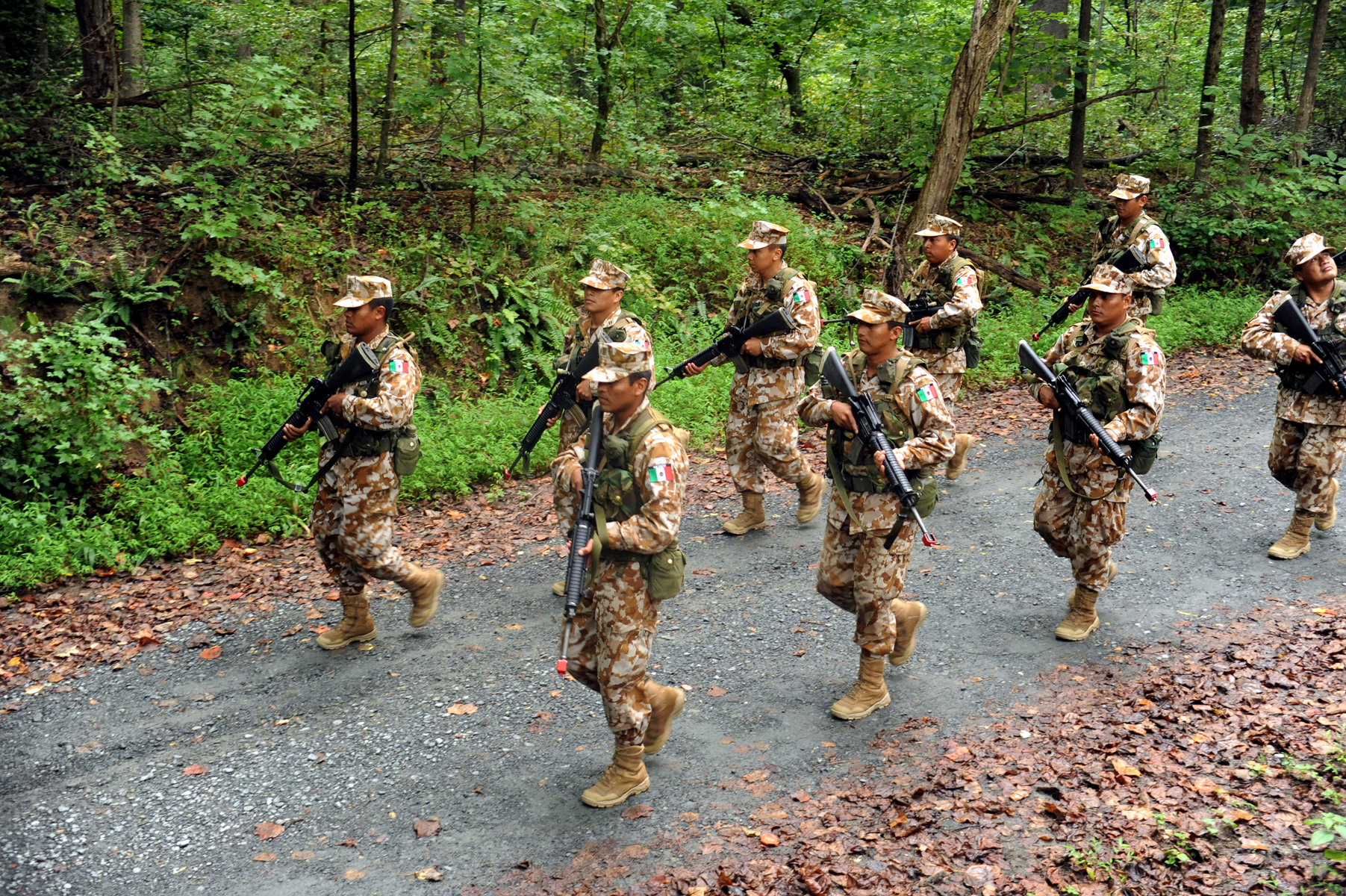
Open the full article ▸Mexican naval infantrymen on patrol. In December 2009 it was the Navy, not the Army, that took the American information on Arturo Beltrán Leyva and moved on it. Photo: U.S. Marine Corps photo by Lance Cpl. Lucas G. Lowe, via Wikimedia Commons (public domain).
For fifteen years the United States and Mexico hunted one man across four states and never laid a hand on him, while the death rumors ran so often that nobody believed the real one for a day. Nemesio Rubén Oseguera Cervantes, El Mencho, built the Jalisco New Generation Cartel out of a dead cartel’s wreckage and turned it into a franchise on every continent but Antarctica. In February the manhunt finally ended in Tapalpa, not with an arrest but with a body on a military flight to Mexico City. Nine months later the franchise has a new name on the door, a bigger bounty on his head than his stepfather ever carried, and no succession war to show for the largest killing of the drug war. The Info Soldier special report.
By Edward Dawe
November 26, 2026
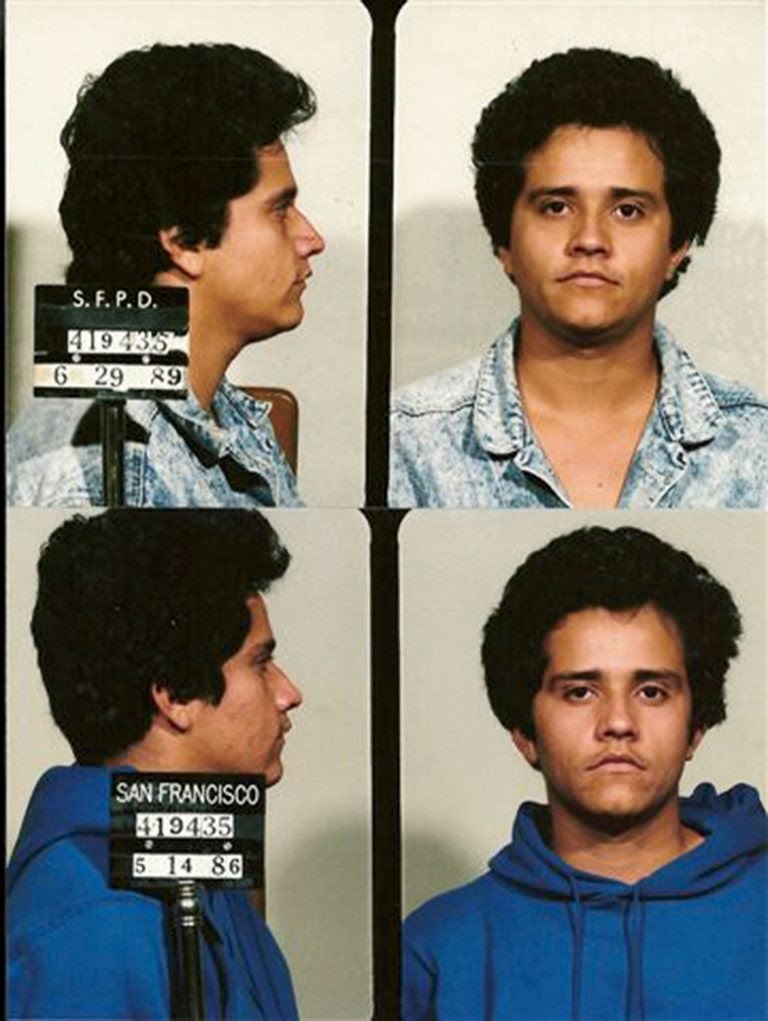
Open the full article width="800" height="500" />Open the full article ▸San Francisco police mugshots#9656;San Francisco police mugshots of Nemesio Oseguera Cervantes in 1986 and 1989, when he was a young heroin dealer moving through California under borrowed names. The United States deported him three times. He came back as the founder of the most feared cartel on earth. Photos: San Francisco Police Department, via Wikimedia Commons (public domain).
What if the biggest drug case in American history was built by the men who ran the drugs? Pedro and Margarito Flores moved up to two tons of cocaine a month through Chicago for the Sinaloa cartel. Then they flipped, kept the business running with federal agents listening, and put El Chapo himself on tape. The public only heard those tapes when the prosecution needed them.
By Edward Dawe
November 26, 2026
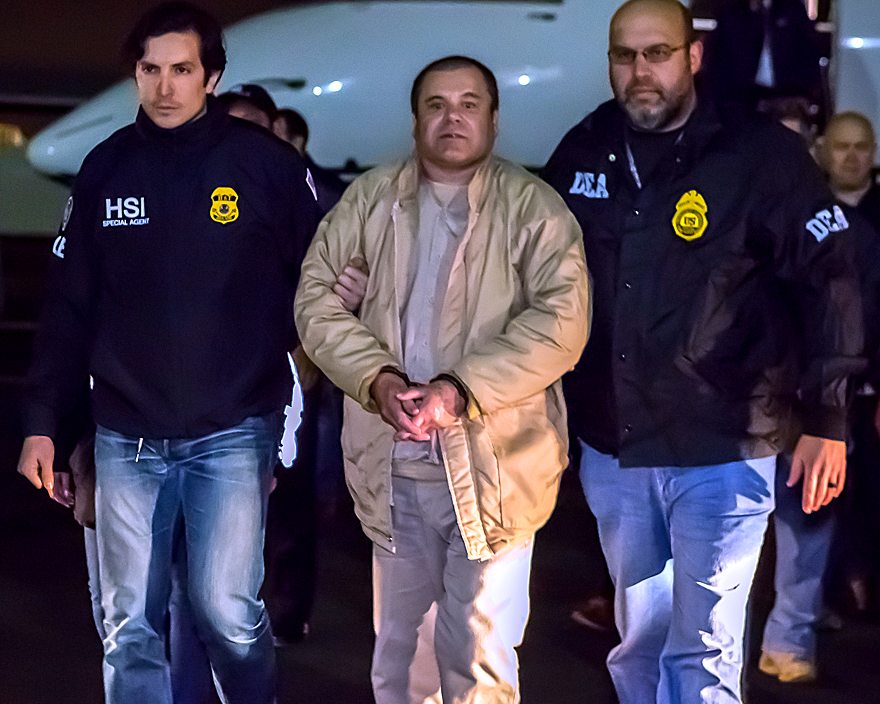
Open the full article ▸Joaquin “El Chapo” Guzman escorted by HSI and DEA agents after his extradition to the United States in January 2017. The case that put him away for life rested on tapes made by his own Chicago distributors, Pedro and Margarito Flores. Photo: U.S. government, via Wikimedia Commons (public domain).
What happens when a cartel boss stops hiring street gunmen and hires the state’s own special forces instead? Osiel Cárdenas Guillén, a former federal policeman who seized the Gulf Cartel in a succession war, made one personnel decision in 1999 that militarized every cartel in Mexico: he bought himself an army of deserters and called it Los Zetas. The army outlived his cartel, outlived his freedom, and outlived war after war declared against it. Now Washington has handed him back to Mexico, and the weapon is still out there without him.
By Edward Dawe
November 26, 2026
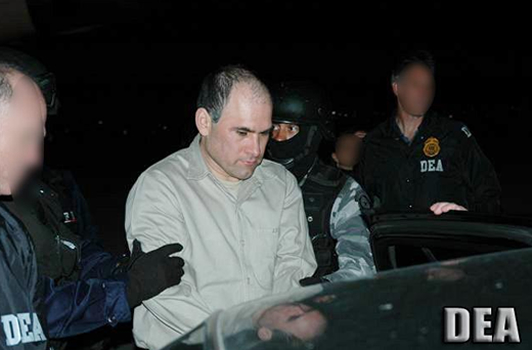
Open the full article ▸Osiel Cárdenas Guillén in DEA custody after his extradition to the United States in January 2007. The former Gulf Cartel boss pleaded guilty under seal, took 25 years and a $50 million forfeiture, and was deported to Mexico in December 2024. Photo: U.S. Drug Enforcement Administration, via Wikimedia Commons (public domain).
Hollywood turned Barry Seal into a lovable rogue in a Tom Cruise movie. The record tells a colder story: the best pilot the Medellín cartel ever hired, the informant who photographed Pablo Escobar loading cocaine onto his own plane, and the witness Washington used, leaked, and left sitting unarmed in a Baton Rouge parking lot, where the cartel’s gunmen were waiting on February 19, 1986.
By Edward Dawe
November 26, 2026
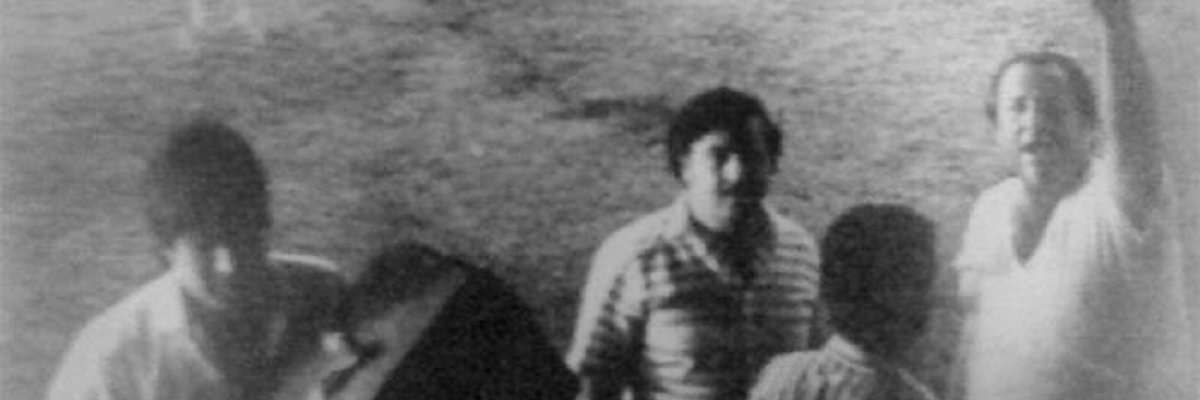
Open the full article ▸The most expensive photograph of the drug war. A camera hidden in Barry Seal’s C-123 catches Pablo Escobar, center, in the striped shirt, helping load cocaine at Los Brasiles, Nicaragua, on June 25, 1984. Seal is at right, hand raised. US government photograph, released by the Reagan administration and later obtained under the Freedom of Information Act.
What if the biggest crack dealer in America was the street end of a supply chain that ran through a war Washington was running off the books? Ricky Ross moved tons of cocaine through South Central Los Angeles at prices nobody could match. His supplier was raising money for the CIA’s Contra army. The government’s own inspector general later wrote down what the agency knew. The dealer got life anyway.
By Edward Dawe
November 26, 2026
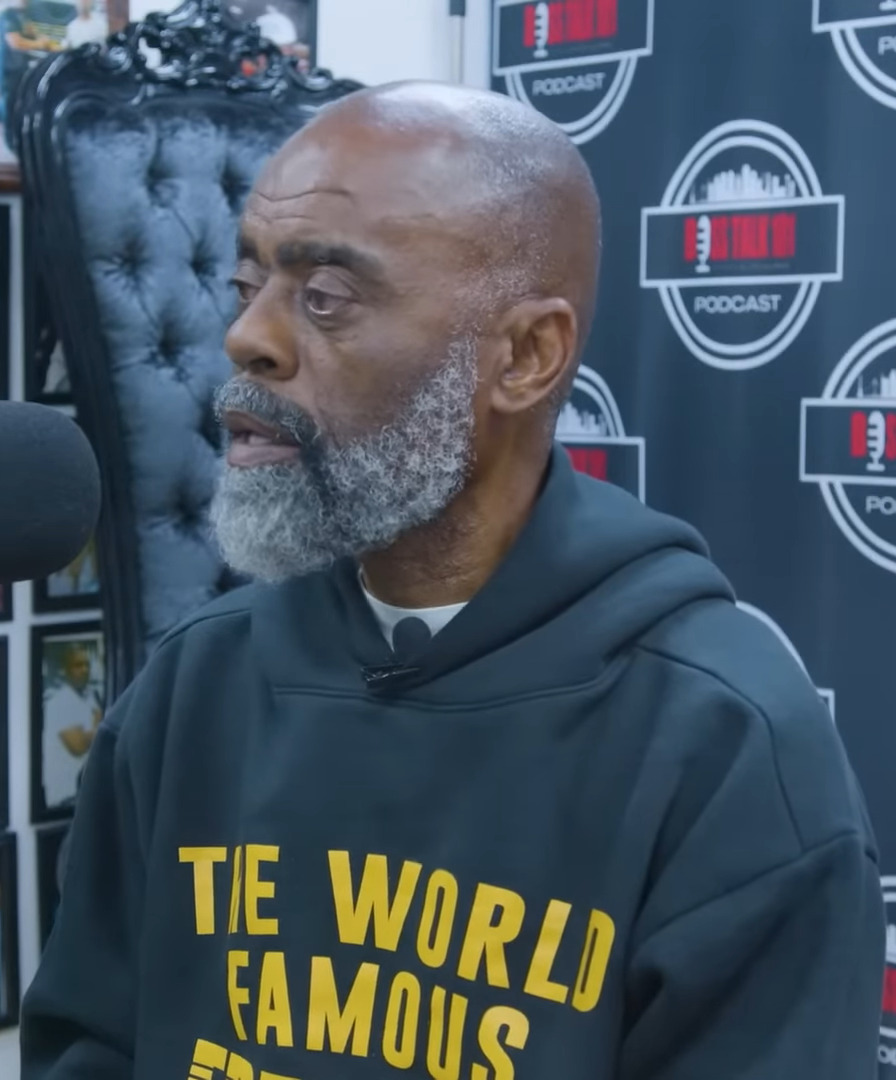
Open the full article ▸Rick Ross in 2025, a free man since 2009 and still the only figure in the pipeline who answers questions in public. The supplier went on the government payroll. The reporter is dead. Photo: BOSS TALK 101, via Wikimedia Commons (CC BY).
What does a government do with a man it cannot buy, cannot beat, and finally has to murder? It prints his face on its money. Emiliano Zapata asked for one thing, the land back, and every president who shook his hand reached for a knife. This is the record of the man, the ambush, and the myth the state built on his grave.
By Edward Dawe
November 26, 2026
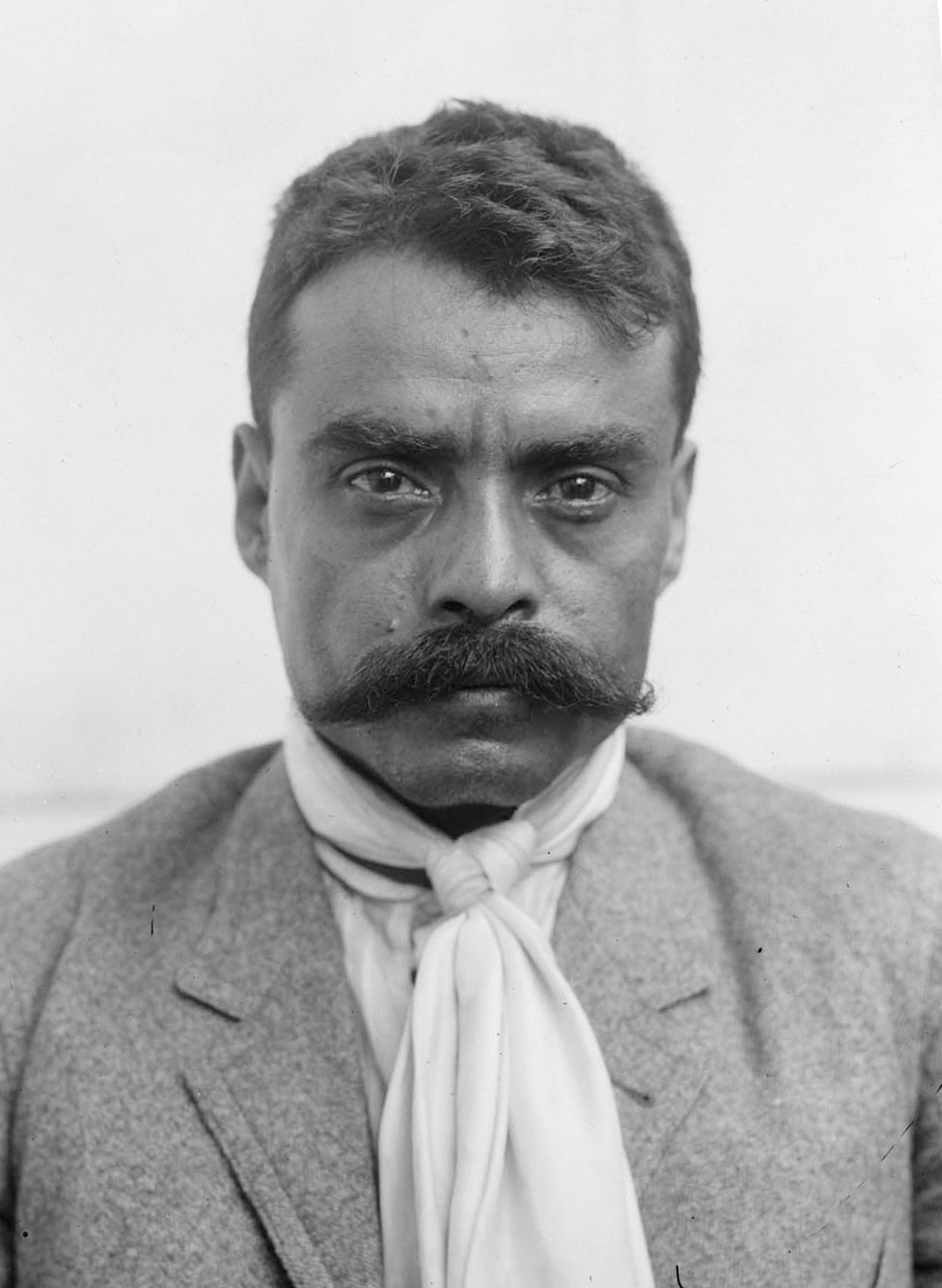
Open the full article ▸Emiliano Zapata, photographed during the revolution. The Mexican state would later put this face on its money and its monuments. In the years the portrait was taken, that same state was hunting him through the hills of Morelos. Photo: public domain, via Wikimedia Commons.





 Open the full article ▸