The other four families in this series were broken, in the end, by the government. What broke the youngest and smallest of the five? Itself, three times. A revolt against the founding boss, a boss shot in the head on live television while leading a crusade against the FBI, and a two year civil war run by a boss serving one hundred years in a cell. The Info Soldier opens the Colombo file, the last of the five.
By Edward Dawe
November 27, 2026
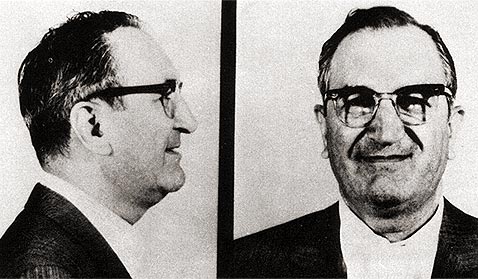
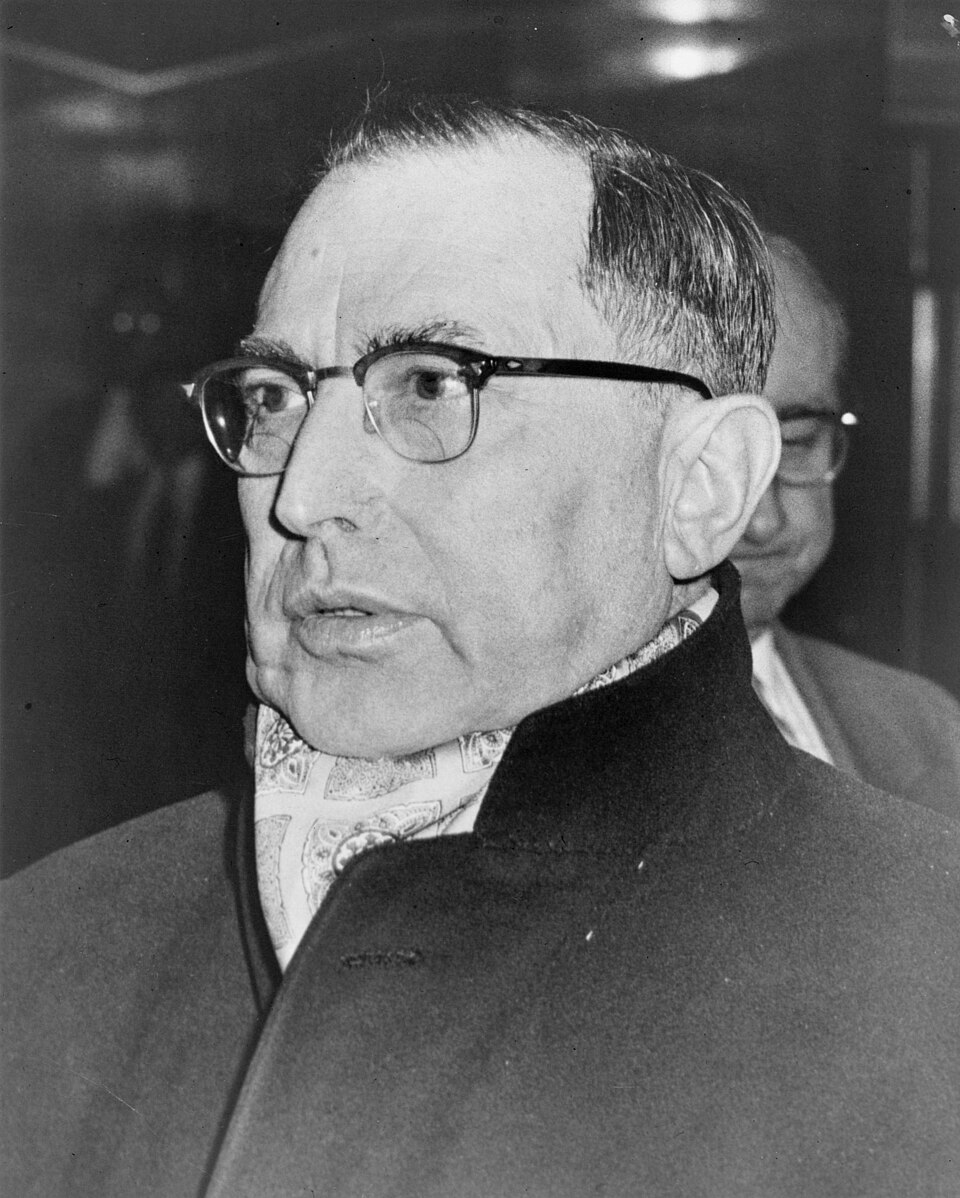
Open the full article ▸Joe Profaci, photographed in 1959, three years before his death. He built the family behind an olive oil importing business and taxed his own men until they revolted. Photo: New York World-Telegram and Sun, via Wikimedia Commons.
Which of the five families produced a boss who disappeared off a Manhattan sidewalk the night before a grand jury, an internal war the newspapers named after a fruit, the deepest FBI penetration in Mafia history, and then, after all of it, the first sitting New York boss ever to put on a wire for the government? Only one. The Info Soldier opens the Bonanno file, the strangest of the five.
By Edward Dawe
November 27, 2026
Open the full article ▸Joseph Bonanno, boss at twenty six, ruler for three decades, the only founding boss of 1931 to die free in his own bed. The family still carries his name. Photo: U.S. government photograph, via Wikimedia Commons.
How did the smallest of the great families run the garment center, the trucking trade and the cargo sheds of Kennedy Airport for half a century without ever making the noise the Gambinos made, and what finally broke its silence? Not a rival. Not a wiretap in a social club. Two decorated New York City police detectives on the family payroll, and an underboss who confessed to thirty six murders and tried to sell them to the government. The Info Soldier opens the Lucchese file.
By Edward Dawe
November 27, 2026
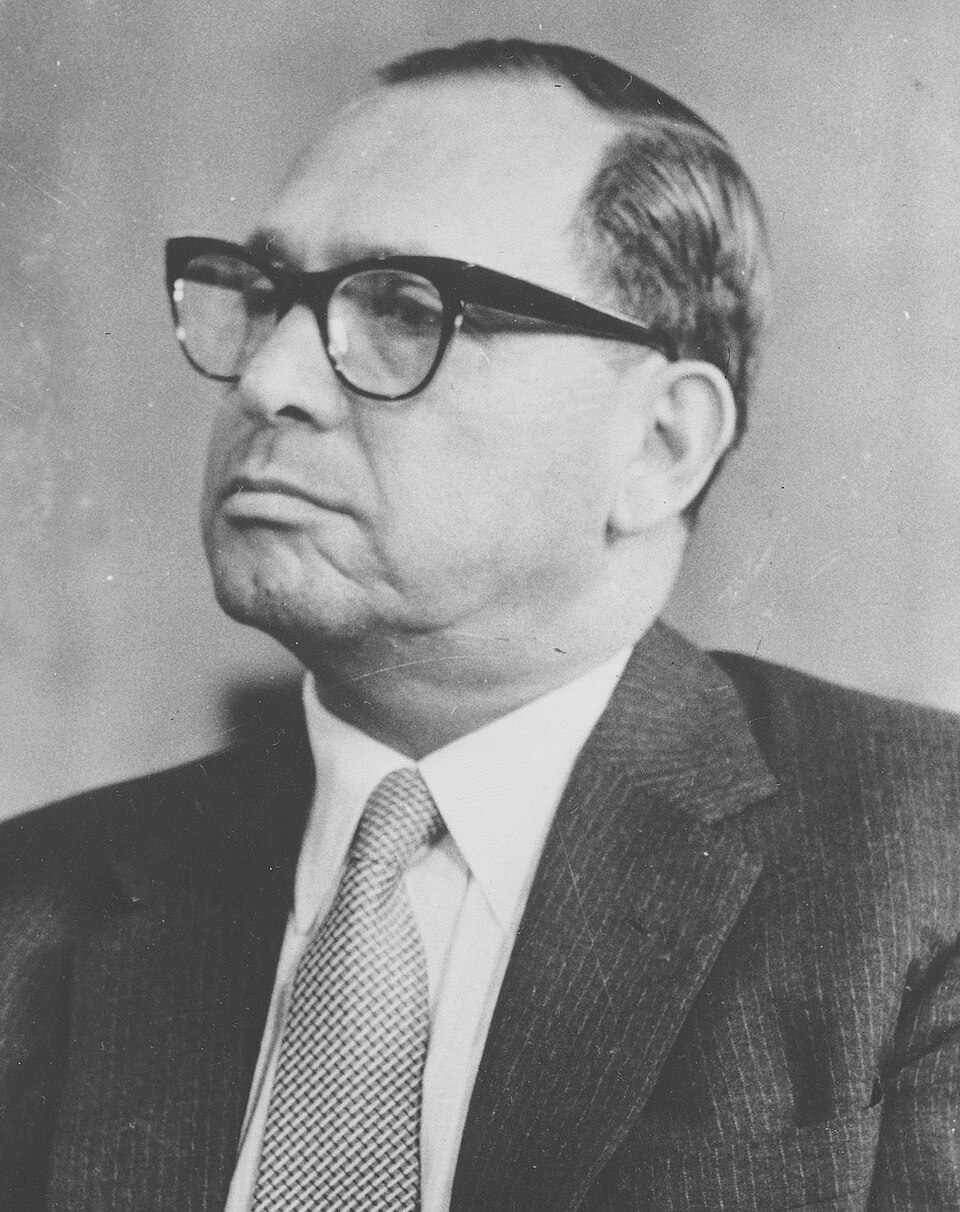
Open the full article ▸Tommy Lucchese, photographed in 1958 at the height of his sixteen year reign. He ran the garment center, the trucks and the airport cargo sheds, married his daughter into the Gambino family, and died in his own bed in 1967. Photo: Associated Press, via Wikimedia Commons.
Why has the oldest and largest of the Five Families outlived every rival in American crime, producing the architect of the modern Mafia, a boss the United States Navy cut a deal with in his prison cell, and a don who fooled the government’s own psychiatrists for thirty years in a bathrobe? Because the Genovese family learned the deepest lesson in the file: the state is not always the enemy of organized crime. Half the time, it is a partner. The Info Soldier opens the Genovese file.
By Edward Dawe
November 27, 2026
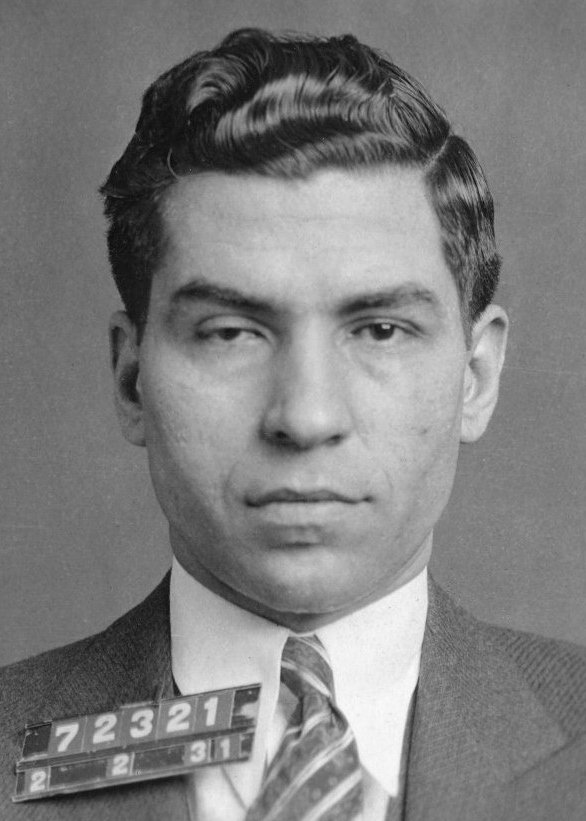
Open the full article ▸Charles “Lucky” Luciano, photographed by police in 1931, the year he abolished the boss of bosses and built the Commission. The state jailed him in 1936, rented his organization in wartime, freed him in 1946 and deported him. Photo via Wikimedia Commons.
How did a gang of Palermo immigrants become the biggest crime family in America, outlive Prohibition, Murder, Inc., the barber chair hit and the Teflon Don, and still hold its seat at the table today? The answer starts with a government ban that made them rich, and it ends with a government witness who admitted nineteen murders and walked out of prison in about five years. The Info Soldier opens the Gambino file.
By Edward Dawe
November 27, 2026
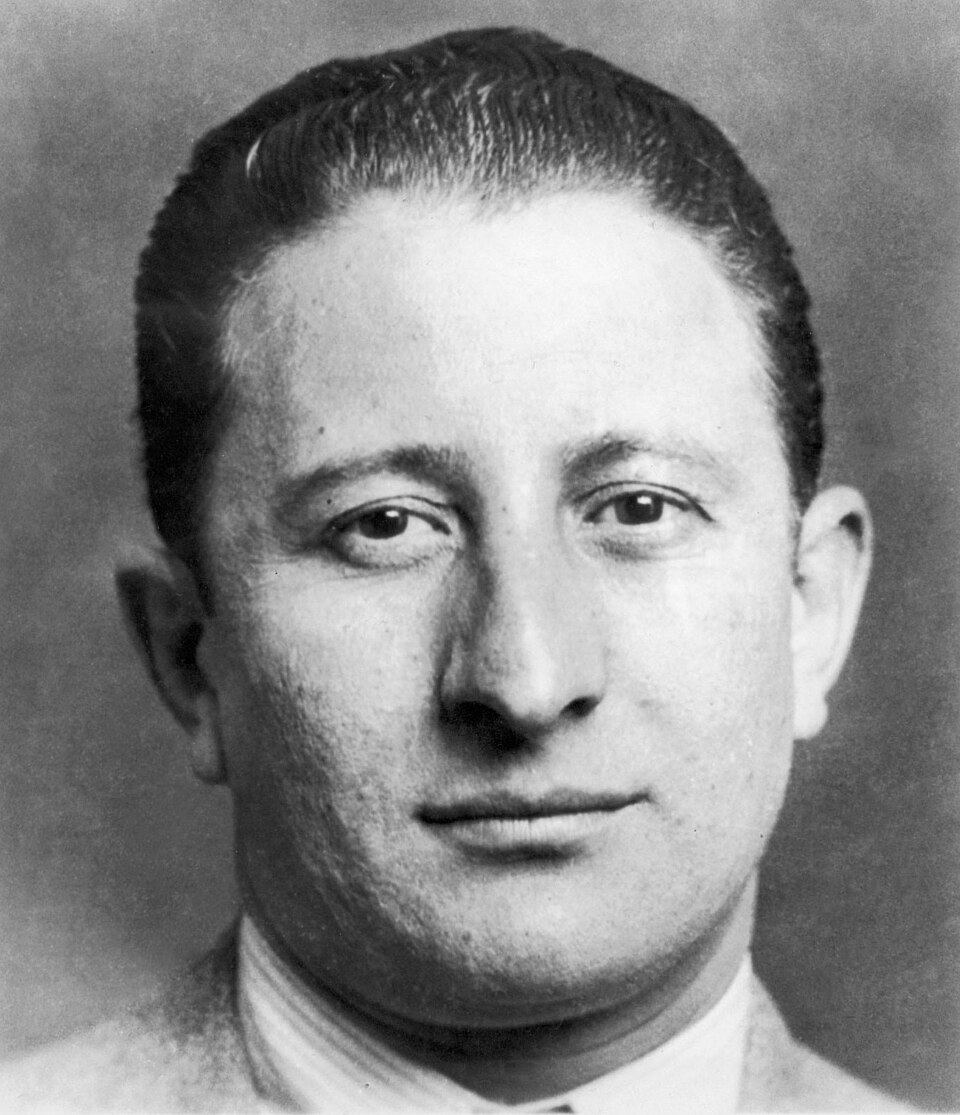
Open the full article ▸Carlo Gambino, photographed circa 1935, two decades before he took the family. He arrived from Palermo in 1921, sat at the head of the Commission for nineteen years, and died in his own bed in 1976, the rare don the United States government never managed to put in a cell. Photo via Wikimedia Commons.





 Open the full article ▸