




The Money File · Report Two
Prep For the Worst While There Is Still Time
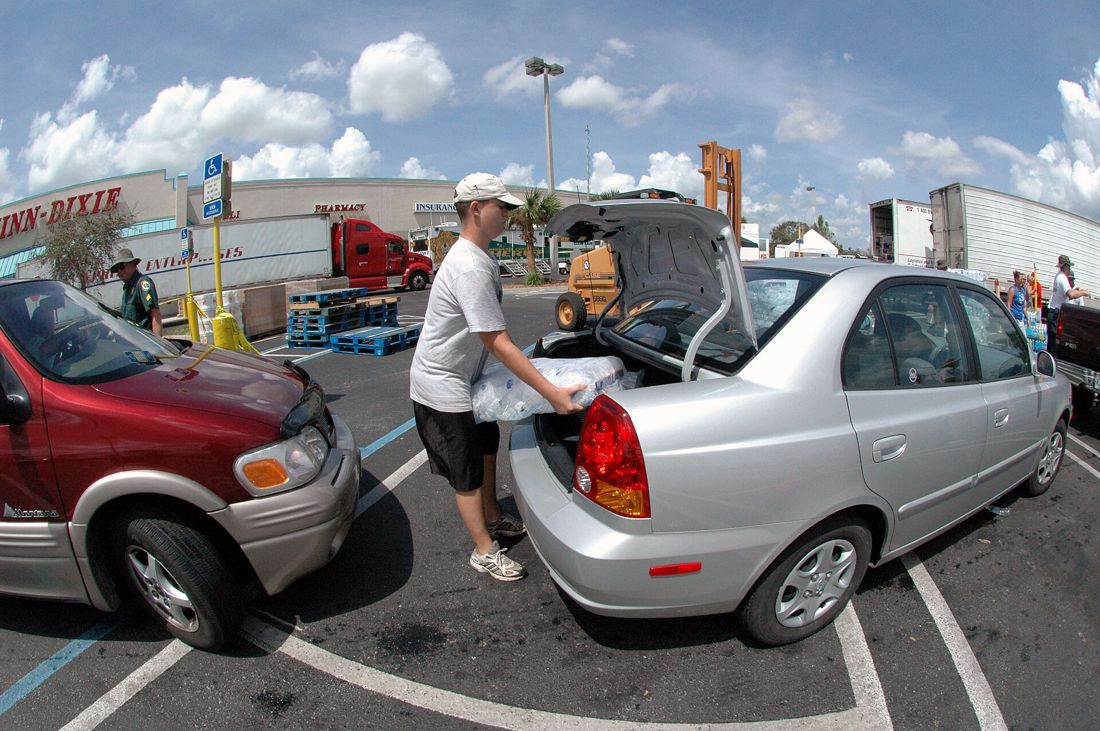

OKLAHOMA CITY, Nov. 17, 2026. Read the article above this one again. $40.62 trillion in debt. A $2 trillion deficit in a single year. A money supply up more than 50 percent since 2020 and grocery prices up 32.5 percent to match. None of that is a weather report. It is a trajectory, and trajectories do not reverse because a press secretary says the word resilient. The time to prepare for the worst is while the stores are still full, the trucks are still rolling, and nobody is standing in a line. That time is now, and it is not guaranteed to last.
Prepping is not a bunker and it is not a costume. It is arithmetic. A household that eats needs food it does not have to buy this week. Start with what your family already eats: rice, beans, pasta, oats, canned meat, canned vegetables, peanut butter, cooking oil, salt, sugar, coffee. Buy a little extra every single payday, not in one panicked haul. A working pantry of 90 days is a realistic first goal for an ordinary paycheck, built one bag at a time, rotated as you use it. Food in the pantry is money the Federal Reserve cannot dilute. A dollar in a savings account lost a quarter of its value in six years. A can of beans did not.
Water comes second, and in Oklahoma it is not abstract. Ice storms and tornadoes have already shown everyone here what three days without power and water pressure looks like. Store water, and own a way to make more of it: a gravity filter or a quality countertop unit, plus purification tablets as backup. One gallon per person per day is the planning figure. After that: a way to cook without the grid, a way to stay warm without the furnace, light that does not come from a wall socket, and the medications your household cannot skip, stocked ahead wherever the law and your doctor allow.
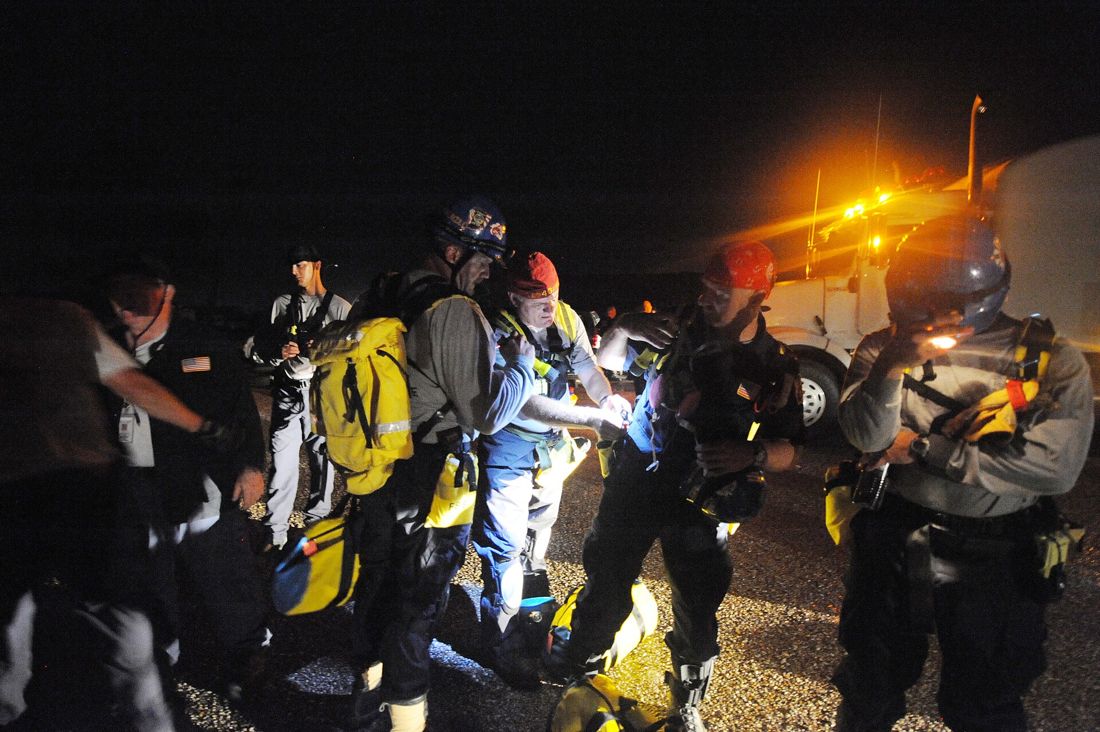

Keep some cash at home in small bills. We have spent this month documenting nationwide outages, ground stops, banking glitches, and systems failing in clusters. When the card readers go down, cash is not nostalgia, it is the only network still up. Beyond cash, many preppers hold some wealth outside the banking system entirely, in physical form they control. Name it plainly: physical gold, coins or small bars in your own possession, the one form of money no outage, freeze, or closed bank can reach. And keep your vehicle fueled, your documents copied, and your tools real: a man who can fix things, grow things, and defend his family owns assets no index can reprice.
Last, the part nobody can order online: people. Know your neighbors. Know who has skills, who has a garden, who can be trusted when things get strange. The lone wolf is a movie character. In every real disaster on record, from ice storms to blackouts, the households that came through best were the ones plugged into a street, a church, a family, a network. Build yours before you need it.
The establishment mocks preppers because a prepared household is a household that does not have to beg. A family with 90 days of food can say no. A family with nothing has to take whatever terms are offered, at whatever price, on whatever day the system decides to have a glitch. That is the whole point of The Info Soldier: they are counting on you having no options. Prove them wrong quietly, one payday at a time.
The InfoSoldier store is stocking the gear for exactly this: storable food, water filtration, Faraday protection, and field equipment, sourced from US warehouses. Sourcing is under way now. The pantry, however, should not wait for any store. Start with your next grocery run.