




The Money File · Report One
The Inflation Tax: Washington Is Doing It On Purpose
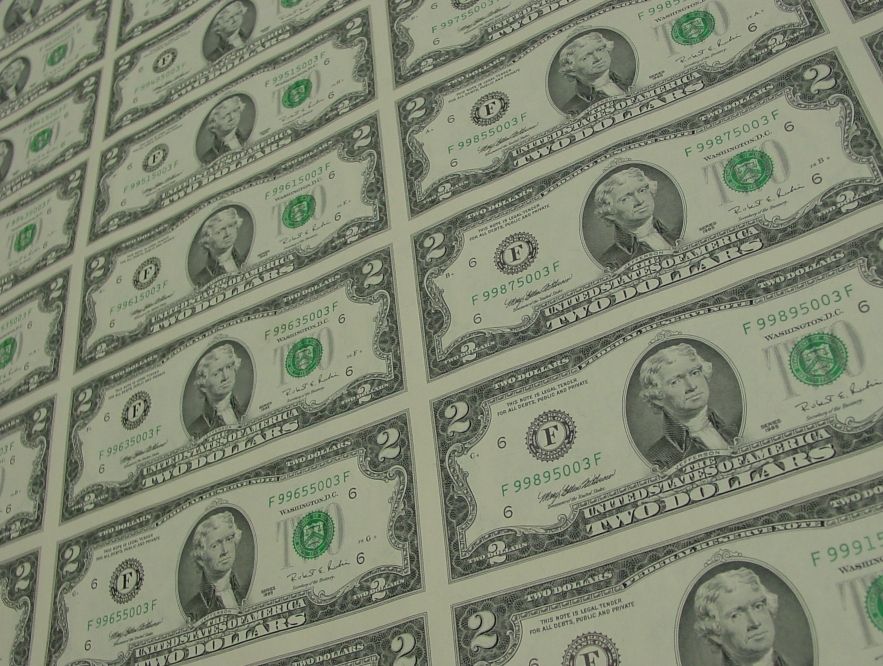

OKLAHOMA CITY, Nov. 17, 2026. The Treasury Department’s own ledger says the United States government now owes $40.62 trillion. That figure, from the Treasury’s Debt to the Penny report for November 13, is $2.46 trillion higher than a year ago. The debt is growing at roughly $6.7 billion a day, and the Joint Economic Committee projects it crosses $41 trillion around January 15, 2027. Nobody in Washington voted for a tax to pay for any of this. They did not have to. You are paying it at the grocery store.
Here is the mechanism, in the government’s own numbers. In fiscal 2026 the federal government spent $7.4 trillion and collected $5.4 trillion, a deficit of $1.99 trillion, the largest since 2021, according to the Congressional Budget Office. The difference was borrowed. The interest alone on past borrowing now runs about $1.05 trillion a year on Treasury’s books, roughly $2.9 billion every day, more than the entire defense budget. Nineteen cents of every tax dollar collected now goes straight to bondholders. It buys nothing. It defends nothing. It is the carrying cost of a debt that grows by design.
And underneath the borrowing sits the money itself. The Federal Reserve’s broad money measure, M2, stood near $15.4 trillion in January 2020. By September 2026 it hit a record $23.41 trillion. Roughly $7 trillion of that was created in about two years, and by the Fed’s own data close to 30 percent of all the dollars in existence were created after January 2020. The supply of dollars rose by more than half in under seven years. The supply of groceries did not. Prices did the math.
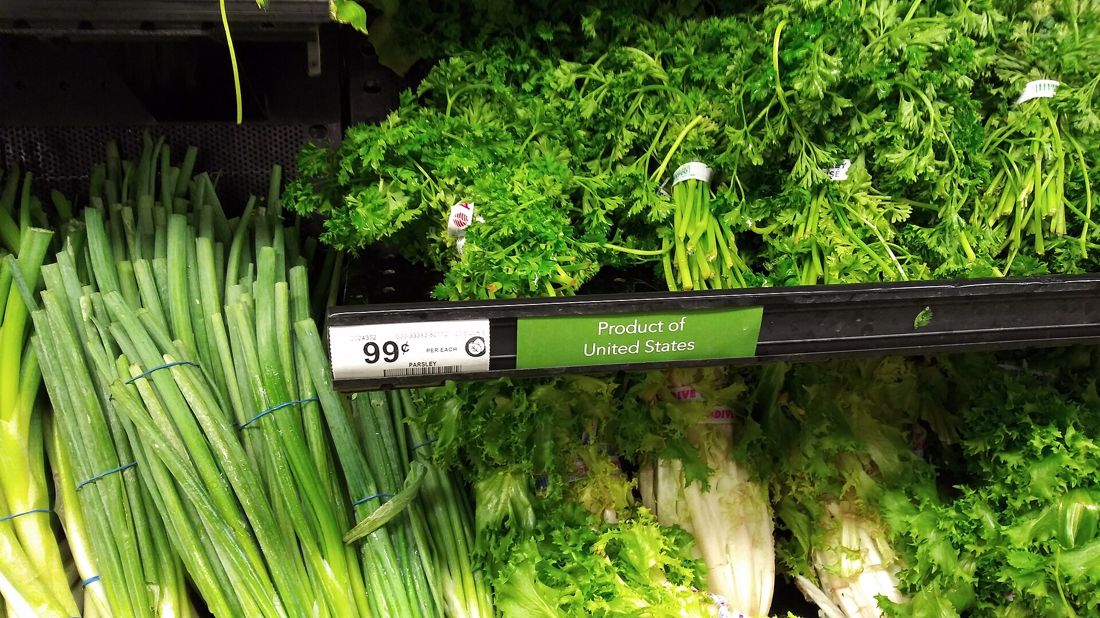

The Bureau of Labor Statistics’ food at home index shows grocery prices up 32.5 percent since January 2020. The overall price level is up about 26 percent over the same span, while wages rose about 27 percent across six years, which means the average American worker ran in place for six years and paid more for food for the privilege. The last annual inflation reading the BLS published, for September 2026, was 3.7 percent, with core prices rising 0.3 percent a month, three months straight. And the October report carries a hole in it: there is no annual rate, because during the government shutdown in the fall of 2025 the Bureau never collected October prices at all. The official record of what things cost has a missing month, and the missing month is theirs.
This is why the word accident does not apply. Inflation is the one tax no legislature has to pass and no president has to sign. It transfers wealth silently, from everyone who saves in dollars to the largest debtor on Earth, which is the United States government itself. A government that owes $40 trillion does not fear inflation. It requires it. Every point of inflation melts the real value of that debt while officials go on television and blame grocery stores, oil companies, and you. The same establishment that created a third of the money supply in six years then expresses shock at the checkout line and offers to investigate the supermarkets.
THE QUESTIONS
- If inflation is an accident, why does the policy that causes it never stop, under either party, in war or peace, boom or bust?
- Who benefits when the dollar loses a quarter of its value in six years: the saver, or the debtor who owes $40 trillion of them?
- Why does the official price index get to lose a whole month of data during a shutdown and still call itself the record?
- If the grocery chains are gouging, why did prices rise in lockstep with the money supply and not with anything the stores did?