




The Features Desk · The Infrastructure File
THEY SHUT A URANIUM MINE
What happens when somebody reaches the control systems of an American uranium mine? The mine stops, the stock stops trading, and nobody in charge will say who did it, what they touched, or when it can safely start again.
November 26, 2026
By Edward Dawe
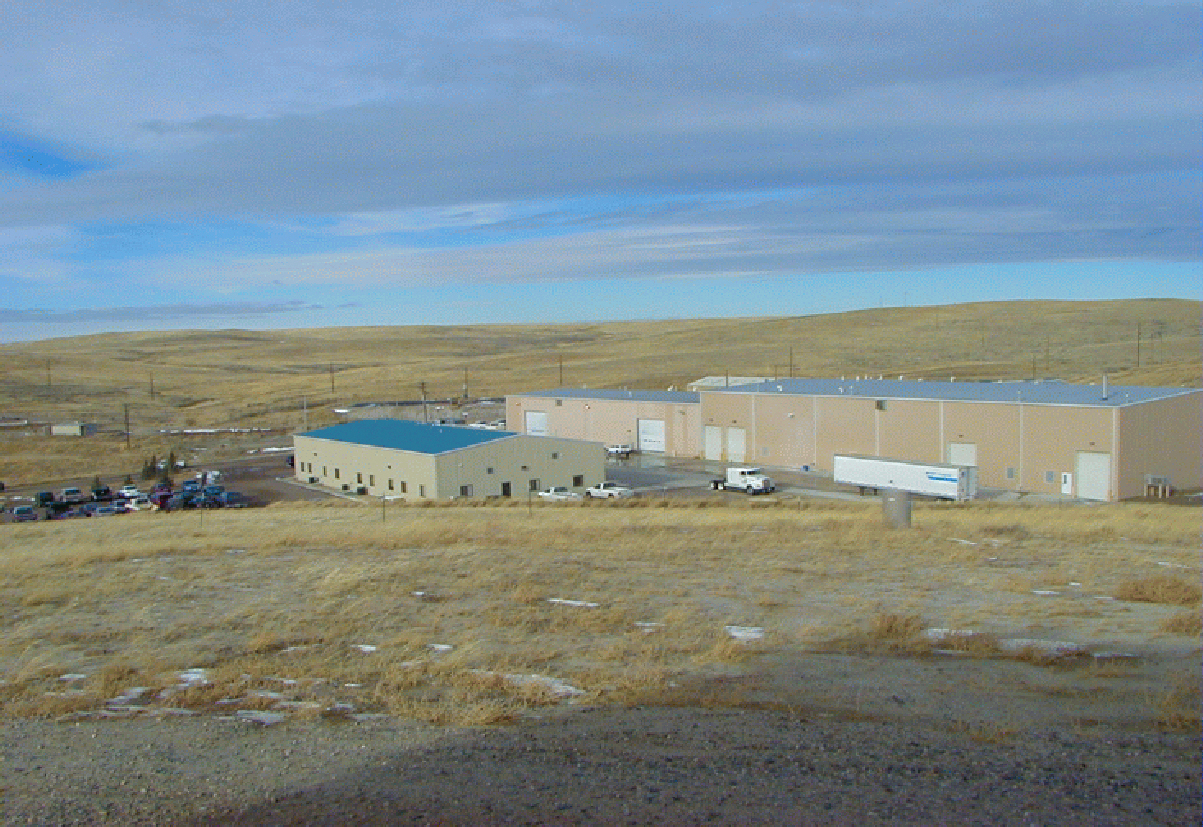
CROOK COUNTY, Wyoming, November 26, 2026. Peninsula Energy, the Australian company that owns the Lance uranium project in Crook County, Wyoming, says a cybersecurity incident hit the plant and wellfield operating and control systems at Lance, and operations there remain shut down. Its American subsidiary, Strata Energy, detected the incident on the morning of Friday, November 20, local time. The company shut operations down, isolated the affected systems, activated its response procedures, and brought in outside cybersecurity specialists, forensic advisers, and legal advisers. In its November 25 update to the Australian Securities Exchange, Peninsula said the incident appears to be confined to the plant and wellfield operating and control systems, and that its corporate and administrative systems in the United States and Australia, including payroll and financial administration, remain unaffected. Read that split carefully. The office computers are fine. The machines that run the mine are the ones nobody will yet certify as clean.
KEY POINTS
- The target: the Lance Project in Crook County, Wyoming, a wholly owned Peninsula Energy project operated by Strata Energy, which extracts uranium from underground deposits by in situ recovery and processes it into uranium concentrate, known as yellowcake or U3O8, the feedstock for nuclear fuel.
- The hit: a cybersecurity incident detected on the morning of November 20, 2026, affecting the plant and wellfield operating and control systems. Operations were shut down and the systems isolated.
- The status: operations remain suspended until a recovery and verification program is completed and the company is satisfied operations can safely resume. No restart date has been given.
- The market: Peninsula first secured a trading halt on November 23, then on November 25 requested a voluntary suspension of its shares until the earlier of the start of trading on November 30 or an announcement on restarting operations and any change to production guidance.
- The production question: Lance’s central processing plant was built for a maximum of 2.0 million pounds of U3O8 a year and is licensed for 3.0 million. Peninsula had forecast 500,000 to 600,000 pounds for 2027 and now says it cannot yet assess the impact on that guidance and will reassess once operations resume.
- The unknowns, printed plainly: the company has not named an attacker, a method of entry, or whether any data was compromised. Its investigations, including whether data was taken, remain ongoing.
- The context: in 2025 the United States added uranium to the federal list of critical minerals, and Lance is expected to become a key domestic supplier.
THE CONTROLS, NOT THE INBOX
Most corporate hack stories are inbox stories: files copied, ransom demanded, customers notified. This one is a control story. Lance does not dig uranium out of a pit. In situ recovery pumps a solution through injection wells into the uranium bearing sandstone, dissolves the uranium, and pumps the loaded solution back up through recovery wells to the central processing plant, where ion exchange circuits capture it and it is dried into yellowcake. The wells, the pumps, and the plant run on the operating and control systems the incident reached. That is why the company cannot simply change passwords and reopen. Its own update says the recovery program is about assessing the integrity of the affected systems and verifying that the plant operating and control systems can be safely returned to service. Until that verification is done, an American uranium mine stays dark.
THE PATTERN ON THE BOARD
The Info Soldier has kept this month’s file in order. In July, water utilities in at least seven states reported intrusions on internet facing programmable logic controllers, and the FBI and EPA had to tell the country somebody was changing passwords and taking monitoring and control away from operators. In September, Coast Guard and FBI cyber teams were boarding foreign ships after intrusions that pivoted from information systems toward propulsion, steering, navigation, and cargo systems on as many as 50 vessels. In November, Illinois admitted someone tried to cyberattack a dam on the Fox River, the CIA and ODNI confirmed a breach of an open source intelligence network, and now a uranium mine in Wyoming shuts down because its control systems cannot yet be trusted. No official has attributed the Lance incident, and The Info Soldier does not print an attribution nobody has made. What is documented is the shape, repeated across water, shipping, dams, intelligence, and now nuclear fuel: the intrusions keep landing on the systems that move, pump, steer, and process physical things.
THE OFFICIAL ACCOUNT
The official account, printed as a claim to be tested, is Peninsula’s own: the incident appears to be confined to the plant and wellfield systems, the corporate systems are unaffected, specialists are working, and operations will resume when it is safe. The company has given no evidence of a wider compromise, and none is claimed here. It has also given no attacker, no entry point, no data finding, and no date. A mine that supplies a critical mineral does not halt its stock for a week over a routine IT problem, and the suspension filing itself is the receipt for how serious the company treats this: trading stays stopped until November 30 or until Peninsula can tell the market when Lance restarts and what the shutdown does to next year’s production.
THE INFO SOLDIER’S VERDICT: Alex Jones has warned for years that the real cyber war would not be fought over email servers; it would be fought over the control systems underneath food, water, energy, and fuel, and that the public would learn about it one shutdown notice at a time. He was right, 100 percent, period, and the receipts keep coming in, this time in an Australian stock exchange filing about a Wyoming wellfield. Somebody reached the controls of an American uranium mine on a Friday morning, and six days later the mine is still shut, the shares are still suspended, and the answers are still a blank page where the attacker’s name should be. The Info Soldier’s verdict is in: a country that cannot keep the control systems of its own uranium supply verified and running does not have a cybersecurity problem in the abstract. It has an open door, and everyone can read the filing that proves it. Until Lance restarts, stock your own shelves, keep food and supplies on hand before you need them, and do not wait for a press release to tell you the systems underneath daily life are being tested.
Sources: Peninsula Energy, updates to the Australian Securities Exchange, November 23 and November 25, 2026. SecurityWeek, “Peninsula Energy Halts Trading After Cyber Incident Hits US Uranium Mine,” November 24, 2026, updated November 25. The Register, “Wyoming uranium operation shuts down after cyberattack,” November 26, 2026.