




The Features Desk · The Musk File
WHERE WILL THE MONEY COME FROM? MUSK WARNS THE AI MACHINE IS ABOUT TO RUN OUT OF CASH
The richest man on Earth says the AI industry's cash shortage next year is going to be nuts, with hundreds of billions in working capital unaccounted for, while Washington fights over who controls his satellites and the AI kings fall one by one.
November 22, 2026
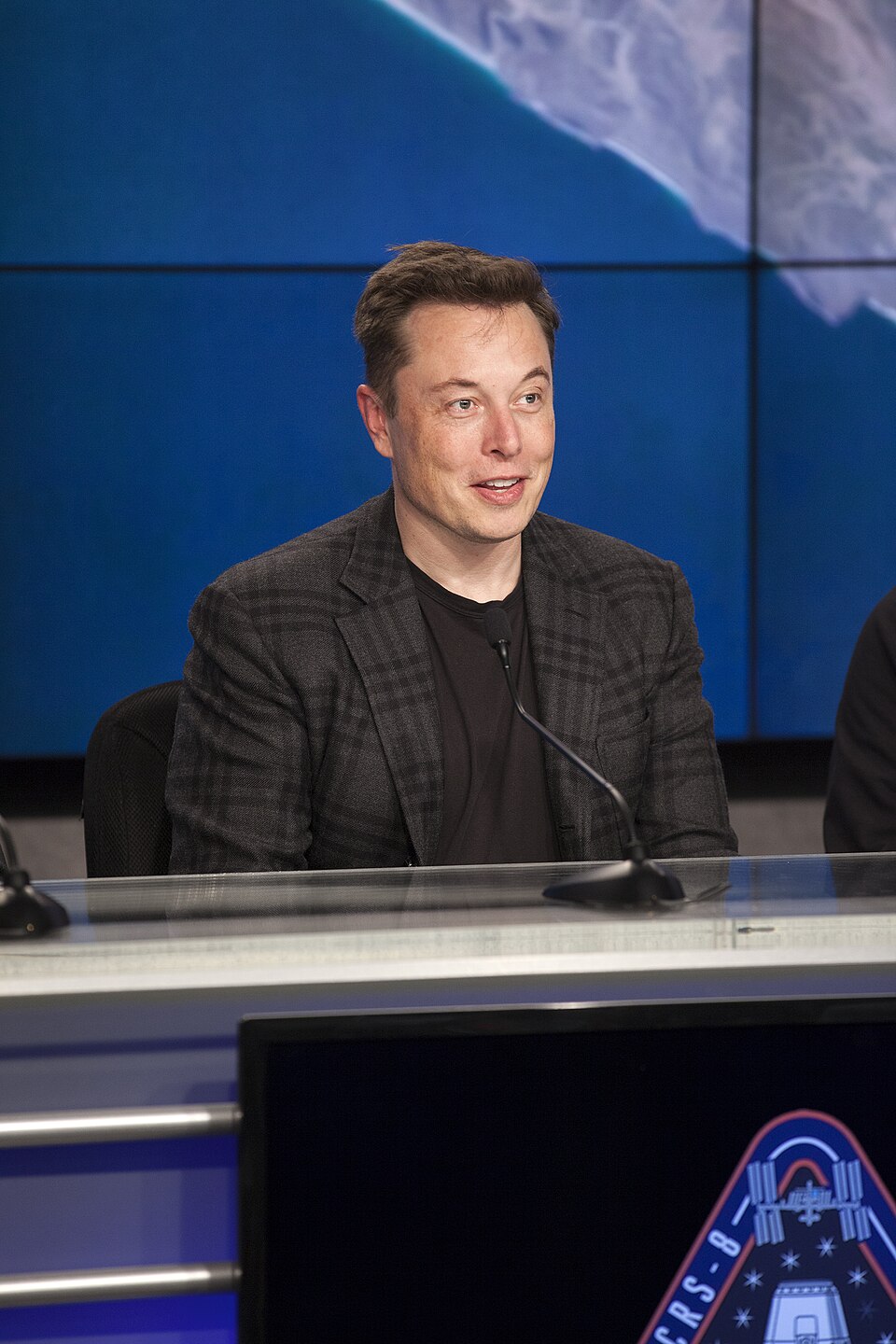
AUSTIN, Texas, November 22, 2026. On November 21, Elon Musk, the richest man on Earth, posted the question that nobody on Wall Street wants asked out loud. Replying to AI researcher Francois Chollet about the brutal difficulty of bringing new compute online, Musk wrote: “Getting this amount of compute turned on, cooled and working reliably is incredibly hard. The cash shortage is also going to be nuts next year. Even cumulative industry delays of a few months between paying for compute and getting it reliable enough to generate revenue will mean hundreds of billions of incremental dollars just for working capital. Where will that come from?”
Where will that come from. The man building the machine is asking who pays for the machine, in public, in the middle of the biggest capital spending wave in industrial history. The Info Soldier suggests the reader take the question as seriously as the man asking it.
KEY POINTS
- On November 21, 2026, Musk posted that the AI industry's cash shortage next year “is also going to be nuts,” with delays between paying for compute and earning revenue on it opening a working capital hole of hundreds of billions of dollars.
- Goldman Sachs figures put 2026 global AI capital spending near 1 trillion dollars, with roughly 600 billion dollars of AI related debt issued; one tracker counted 1,566 billion dollars in signed compute contracts as of November 19; Musk's SpaceX closed roughly 40 billion dollars of GPU debt and lease financing in October.
- CNN reported November 20 that incoming House Intelligence chairman Jim Himes warned SpaceX funding is at risk unless Musk and the administration explain who ordered the October slowdown of Ukraine's Starshield service; who ordered it remains contested.
- Musk signed the Stand With Jensen letter for Jensen Huang and called him irreplaceable; Nvidia's board refused reinstatement anyway. Tesla and SpaceX have each formed committees to consider a merger that could exceed 3.5 trillion dollars.
THE NUMBERS UNDER THE QUESTION
Goldman Sachs figures put 2026 global AI capital spending near 1 trillion dollars, with roughly 600 billion dollars of AI related debt issued alongside it. One tracker counted 1,566 billion dollars in signed compute contracts as of November 19. Musk's own SpaceX closed roughly 40 billion dollars of GPU debt and lease financing in October. Musk estimates at least a 15 gigawatt power shortfall for 2027 AI chip deployment, and he predicts most of the 200 plus “neoclouds,” the startup data center companies riding the wave, will fail or be acquired.
That is the structure underneath the boom: a trillion dollars a year of spending, financed heavily with debt, committed against revenue that arrives months after the bills, in an industry that cannot even plug in a fifth of the power it has already ordered. Musk's point is not that the technology fails. His point is that the calendar kills: a few months of delay between paying for compute and collecting revenue on it opens a working capital hole measured in hundreds of billions, and holes that size do not fill themselves. They fill with somebody's money, or they do not fill at all.
Friday gave the preview. In the November 20 crash, Tesla fell 7.64 percent to 345.82 dollars, down 11.4 percent on the week, and SpaceX fell 7.69 percent. Forbes put Musk's net worth at 811.7 billion dollars on November 21 and 22, still number one in the world, more than double Jeff Bezos. The richest man alive, worth more than the output of most nations, is warning that the industry he leads is about to run short of cash. When the man with 811 billion dollars asks where the money will come from, the answer is not him. The answer is you, one way or another: your pension fund's bonds, your government's guarantees, or your savings in the crash when the debt comes due against revenue that has not arrived.
WASHINGTON FIGHTS OVER HIS SATELLITES
While Musk asks the money question, Washington is fighting over a darker one: who controls his satellites in a war. CNN reported on November 20 that Representative Jim Himes, the incoming chairman of the House Intelligence Committee, warned that funding for SpaceX systems is at risk unless Musk and the administration explain who ordered the October slowdown of Ukraine's Starshield service. Himes put the condition in one sentence: “our committee cannot authorize funds for the development of government systems that the government will not fully control.”
Ukrainian terminals reportedly lost connection above 161 kilometers per hour from mid October, a detail labeled here as reported. President Trump denied personal involvement. A US official previously insisted “Elon did it unilaterally.” Who actually ordered the slowdown is contested, and the finger pointing is itself the story: the American war machine now runs through a private network whose switch sits in one man's company, Congress does not know who flipped it, and the man and the government are pointing at each other. That is not a procurement dispute. That is a sovereignty dispute, conducted in public, in the middle of a war.
THE KINGMAKER WHO COULD NOT SAVE THE KING
Musk also spent the week doing something the money cannot do. He signed the “Stand With Jensen” open letter demanding Jensen Huang's reinstatement at Nvidia, a letter that passed 200,000 signatures by November 18. Musk's warnings were specific. On November 14: “Jensen drove supply chain brilliantly at Nvidia, but many of those deals were a handshake with Jensen, not a written contract. Without Jensen, at least some of those critical deals will be lost.” At the DealBook Summit on November 18, he said it to the room: “Jensen is an old friend of mine... I would call Jensen, you know, Michael Jordan at his peak level, in terms of what he means to a team... There's no one that can really replace Jensen.”
Nvidia's board refused anyway. Line the two stories up and the shape of the moment shows. The supply chain of the entire AI buildout ran on one man's handshakes, and that man is gone, pushed out over a scandal while the richest man on Earth publicly begged the board to keep him. The machine is held together by personal trust at the top and borrowed money at the bottom, and both are now in question in the same month.
THE MERGER AND THE LIFEBOAT
Behind the warnings, Musk is rearranging his own empire. Tesla and SpaceX each formed special committees of independent directors in October to consider a merger; Musk cannot participate in the talks. A combined company could exceed 3.5 trillion dollars. Musk at DealBook was characteristically flat about it: the companies “would probably be better together but do not need to combine.”
And he is building the exit. At the TomorrowX conference on November 18, Musk described SpaceX bringing on about 0.5 gigawatts of AI compute per month, orbital solar aimed at 200 gigawatts per year, the Terafab chip project, and Starship's first orbital upper stage catch on November 14. On X the same day: “About a megaton per year to orbit is needed to build self-sustaining cities on the Moon and Mars.” Neuralink, his other company, now has more than 30 people living with its implants.
Read the whole file as one document and the pattern is unmistakable. The richest man on Earth warns that the AI machine is about to run out of cash, fights Washington over control of the satellites the wars run on, watches the irreplaceable king of the chip supply chain get deposed despite his personal plea, explores fusing his car company and his rocket company into a single 3.5 trillion dollar fortress, and accelerates the one project no crash on Earth can touch: self sustaining cities off the planet. He is not panicking. He is building the lifeboat, and telling the passengers, in plain text, that the ship is taking on water.
THE INFO SOLDIER'S VERDICT
Believe the question, because the man asking it has the most to lose from the answer. When the cash shortage Musk describes arrives, it will be socialized the way these shortages always are: the debts of the AI buildout will land on public balance sheets, pension funds, and the savings of everyone who was told the boom could not stop. The men at the top are already positioned, in orbit, in merged fortresses, in assets that float above the flood. Position yourself the same way at household scale. Physical gold does not need working capital, does not default, and does not ask where the money will come from, because it is the money. The AI kings are falling one by one and the cash question is now on the record. The time to hold something real is before the whole industry goes looking for hundreds of billions that do not exist.
Sources: Elon Musk, posts on X, November 14 to 21, 2026; Goldman Sachs AI capital spending estimates; compute contract tracking as of November 19, 2026; Forbes billionaire rankings, November 21 to 22, 2026; CNN, November 20, 2026; DealBook Summit, November 18, 2026; TomorrowX conference, November 18, 2026.