




The Features Desk · The Cyber War File
BRITAIN’S BENEFITS SYSTEM WENT DARK
What if the state that holds your money, your medical file and your pension record cannot keep its own doors locked? Britain’s biggest government department found something inside its systems on Thursday night and pulled the plug itself.
November 27, 2026
By Edward Dawe
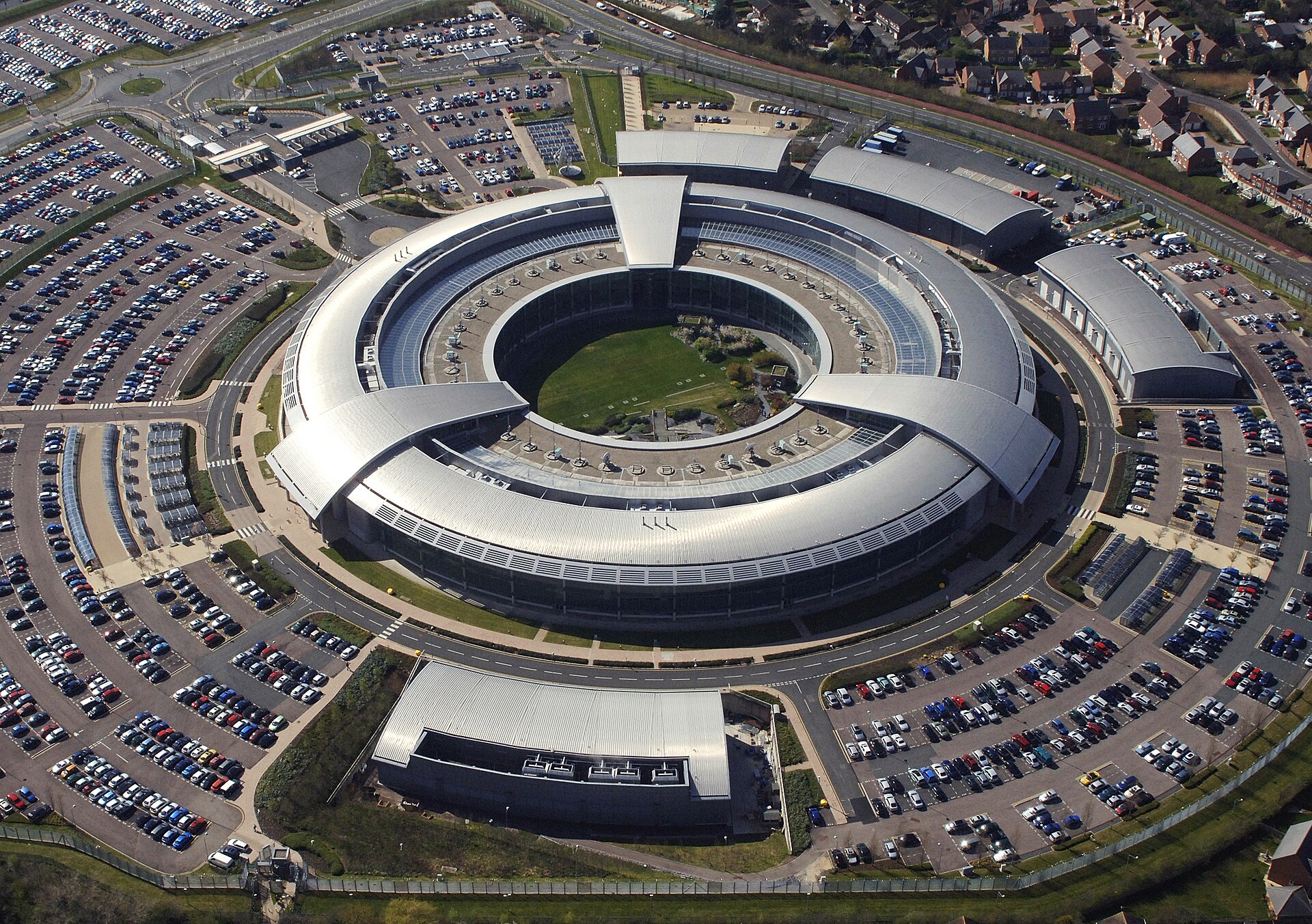
LONDON, November 27, 2026. The Department for Work and Pensions (DWP) took its online services offline on Thursday night after identifying what it calls a cyber incident affecting its systems. DWP is the largest department in the British government, with 96,890 employees as of 2025, and it administers disability and health benefits, state pensions and child maintenance payments. The department said it is working with the National Cyber Security Centre, part of GCHQ, and the Government Cyber Coordination Centre to investigate and bring services back. Downing Street said the investigation is a live and ongoing incident, that there is currently no evidence of data loss, and that it could not rule out a malicious attack.
KEY POINTS
- The department: DWP, the UK’s largest government department, running benefits, state pensions and child maintenance.
- The event: a cyber incident detected Thursday, November 26; online services taken down at about 9 PM Thursday as a precaution.
- The investigators: the National Cyber Security Centre (part of GCHQ) and the Government Cyber Coordination Centre.
- The damage to daily life: no new Universal Credit or Personal Independence Payment claims could be made online on Friday; Universal Credit accounts, pension credit and the Tell Us Once service were hit.
- The official line: regular benefit and pension payments are not affected, nobody will be sanctioned for missed updates, and there is currently no evidence of data loss.
- The unknowns, stated plainly: the nature of the incident, who was behind it, and how long the systems stay down are all undisclosed. The Times reported the outage is expected to last most of the weekend while systems are scrubbed.
THE NIGHT THEY PULLED THE PLUG
People began reporting problems late Thursday night, with reports peaking just before 9 AM Friday, according to Downdetector figures reported by Computer Weekly. Claimants could not sign in to Universal Credit accounts, and others could not report self-employment income. Work and Pensions Secretary Pat McFadden called it a serious cyber incident: “It’s a serious cyber incident. I can’t say more at this stage about what caused it. But we did the right thing by taking our systems down in order to protect the public, in order to protect their personal information, and we made sure that regular payments could continue unaffected.” The Times reported the incident did not involve ransomware or money being moved, and that Downing Street declined to rule out that the incident was a hack. The Information Commissioner’s Office said it is aware and engaging with DWP; DWP has not so far reported a personal data breach.
WARNED, IN WRITING, WEEKS AGO
The warning was on paper before the plug got pulled. The Times reported that the National Audit Office warned weeks ago that there was a high risk of the department suffering a cybersecurity breach that could disrupt its services or compromise its data. Giving evidence to a select committee in November, a senior civil servant acknowledged that some of DWP’s computer systems were “extremely” old. Chi Onwurah, chair of the Science and Technology Committee, called the disruption a wake-up call and said people who rely on DWP systems should be able to trust the tech and data underpinning them to be secure and resilient.
SAME MORNING, THE BANK APPS BLINKED
On the same Friday morning, Lloyds Bank and Bank of Scotland customers were locked out of their apps and online banking on payday and Black Friday. Downdetector recorded more than 4,000 Lloyds reports at about 10:11 AM, Bank of Scotland’s service page carried the same warning, and the banks said services were back by about 12:45 PM. It was the group’s fifth technical glitch this year, and no cause was stated. No official has linked the bank failure to the DWP incident, and The Info Soldier does not claim a link. The timing is the story readers can check themselves: on one morning, the benefits system was down by government order and the money apps of one of Britain’s biggest banking groups were down with no explanation at all. When the banks blink, paper promises are the first casualty and metal in hand is the exit that cannot be shut off. Keep physical gold, keep cash, and keep food and supplies on your own shelves, because a life that only works when every server works is not a life with a backup plan.
THE OFFICIAL ACCOUNT
The Official Account is that this was a precaution, payments are flowing, no data is lost, and no other department was targeted. That account runs here as a claim to be tested. The test is simple: a department that will not say what got in, how it got in, or when the doors reopen has not finished answering. Millions of people who did nothing wrong spent Friday unable to file a claim or check an account, on the word of the same system that was warned in writing, weeks earlier, that exactly this could happen.
THE INFO SOLDIER’S VERDICT
The Info Soldier’s verdict is in. Alex Jones has warned for years that the digitized welfare state is a control grid built on rotting machines, one incident away from locking the people who depend on it out of their own lives, and he was right, 100 percent, period. Britain just ran the demonstration in public: the largest department in the government found something in its systems, shut its own doors, sent the claimants to telephone lines, and asked everyone to trust that nothing was taken. Trust is not a security policy. Keep your own records on paper, keep your own supplies at home, and never forget which side of the locked door you were standing on when the system went dark.
Sources: DWP notice, GOV.UK, published November 27, 2026 and updated the same day; Computer Weekly, November 27, 2026; The Times, November 27, 2026; Infosecurity Magazine, November 27, 2026; The Register, November 27, 2026, on the Lloyds and Bank of Scotland outage.