




The Features Desk · The Blitz File
MAMDANI’S CLOSE RIKERS PLAN: FOUR NEW JAILS, DOUBLE THE COST, AND A 2032 DATE THAT NEEDS A NEW LAW
New York’s plan to close Rikers Island closes nothing yet: it shrinks the jail population by 2,500 people, builds four new jails in four boroughs for about $16 billion, and finishes five years after the law says the island must be empty.
November 22, 2026
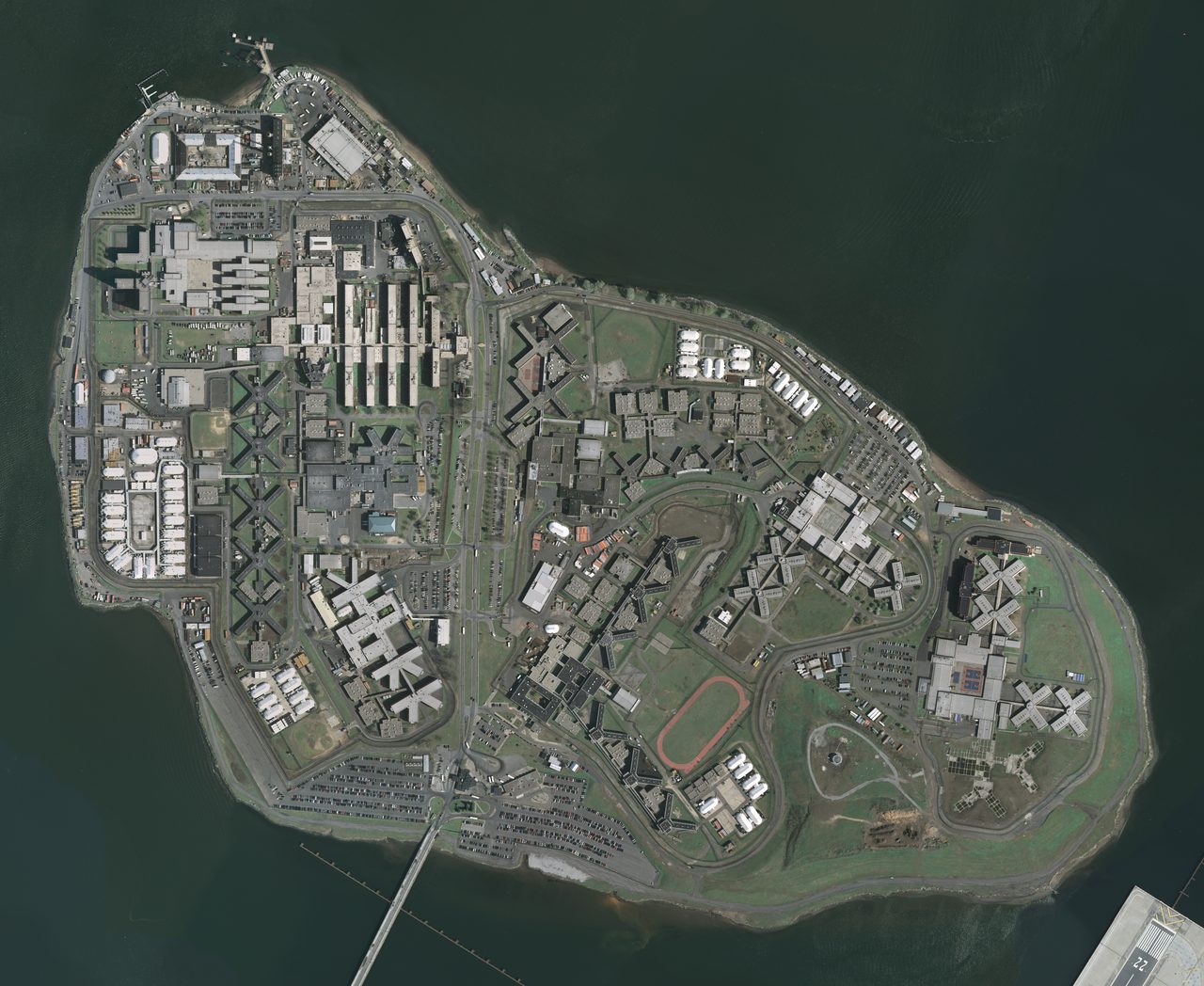

The narrative says close Rikers. The paperwork says build four new jails in residential boroughs, stretch the timeline past the legal deadline, and double the price. On Nov 20, 2026, New York City Mayor Zohran Mamdani released the city’s first comprehensive Close Rikers strategic plan. The Alex Jones Show headlined its segment Mamdani To Close Rikers. Timcast IRL framed it with the line that cuts through the press release: Mamdani to close Rikers, open 4 new prisons, Dems fooled.
KEY POINTS
- On Nov 20, 2026, New York City Mayor Zohran Mamdani released the city’s first comprehensive Close Rikers strategic plan to close Rikers Island by 2032 and open four new borough-based jails.
- The four borough jails open Brooklyn 2029, Bronx and Queens 2031, Manhattan 2032.
- The math only works by cutting the jail population from about 6,600 to 4,100, the new jails’ bed capacity, via diversion, supervised release, electronic monitoring and reduced pretrial detention.
- The plan misses the existing legal deadline: city law requires incarceration on Rikers to end by Aug 31, 2027, so the 2032 date needs new Council legislation.
- The borough jails are now estimated at about $16 billion, up from about $8.7 billion, plus $146 million next fiscal year for therapeutic beds and programming and $67.5 million in capital funding toward Rikers demolition starting 2027.
Here is the straight news the cheerleaders skipped. The four borough jails open Brooklyn 2029, Bronx and Queens 2031, Manhattan 2032. That is not a close. That is a relocation. The plan adds 236 Outposted Therapeutic Housing Units for a total of 340 hospital-based therapeutic beds and was developed with the federal monitor overseeing Rikers. Those are the facts. The spin is that this is compassion. The math is that the city needs to cut the jail population from about 6,600 to 4,100, the new jails’ bed capacity, via diversion, supervised release, electronic monitoring and reduced pretrial detention. The mayor pledged to cut 2,500 inmates in five years.
So ask the question the legacy media will not ask. If the city is planning to hold 2,500 fewer people behind bars, where do those people go? Jones’s frame is blunt: a socialist mayor emptying the jails into the neighborhoods. Pool’s frame is just as damaging: voters were fooled, because closing one prison means building four new ones in residential boroughs at double the price. Both frames land because the plan does both. It reduces custody and it expands concrete.
The legal deadline is another tell. City law requires incarceration on Rikers to end by Aug 31, 2027. The plan says 2032. That 2032 date needs new Council legislation. In plain English, the mayor is not meeting the law. He is asking for a new law to cover the gap. The cost is another tell. The borough jails are now estimated at about $16 billion, up from about $8.7 billion. The plan adds $146 million next fiscal year for therapeutic beds and programming and $67.5 million in capital funding toward Rikers demolition starting 2027. That is not a savings plan. That is a spending plan with a moral slogan.
This is how the anti-narrative works. They sell you a closing. You get four openings. They sell you decarceration. You get electronic monitoring, supervised release and a smaller bed count. They sell you a deadline. You get a request for new legislation. They sell you a bargain. You get a bill that went from about $8.7 billion to about $16 billion. The federal monitor is in the room, the therapeutic beds are in the plan, and the demolition money starts in 2027. None of that changes the core trade: one Rikers for four borough jails, a 2032 date that needs a new law, and a population cut that puts the math on the street.
PREPPER NOTE
When a city plans to hold 2,500 fewer people behind bars, personal and home security becomes a household responsibility.