




The Features Desk · The Blitz File
GOVERNMENT FOOD STOCKPILE MACHINE: ALEX JONES SOUNDS THE ALARM OVER CLAIMED PENTAGON-FEMA FOOD TAKEOVER
Alex Jones reported Friday that the Department of Homeland Security ordered storable food companies to sell everything left in their warehouses to the Pentagon and FEMA. No such order has been produced. The federal food buying machine underneath the claim is documented, standing, and enormous.
November 22, 2026
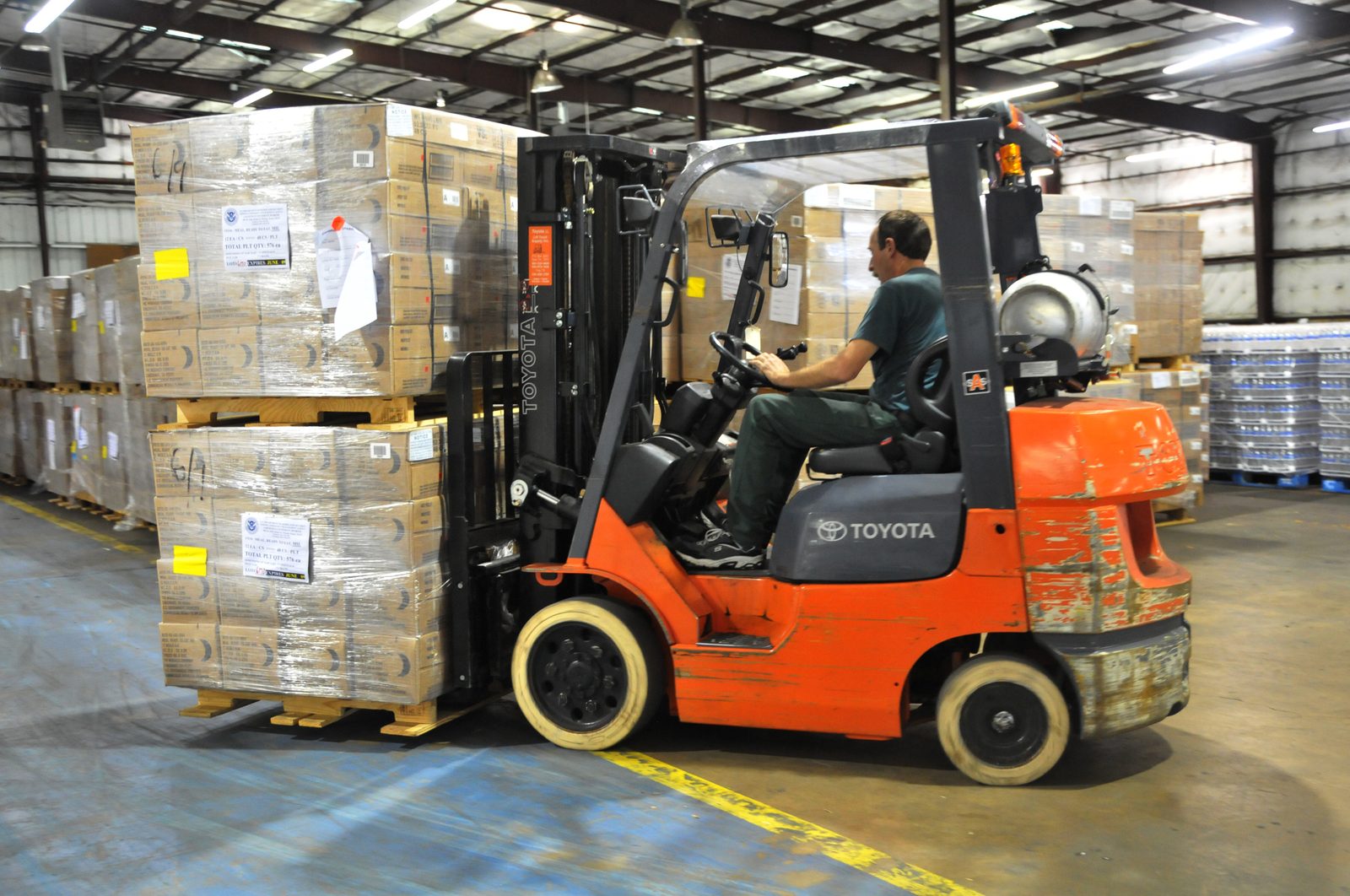

THE GOVERNMENT’S FOOD PIPELINE: ALEX JONES ALLEGES EMERGENCY TAKEOVER AS FEDERAL PROCUREMENT MACHINE MOVES FORWARD
A startling emergency report from Alex Jones is raising questions about the government’s emergency food supply and the future of civilian access to storable food.
KEY POINTS
- Alex Jones reported on his Friday, November 20, 2026, broadcast that DHS had allegedly ordered major storable-food companies to redirect their remaining inventory to the Pentagon and FEMA, ending public sales.
- Jones’s sources reportedly claimed that orders would shut down at midnight Central Time, with new supplies unavailable until January or February 2027.
- No publicly surfaced DHS, FEMA, or Pentagon order currently substantiates the alleged nationwide purchasing directive. Jones identified no companies or released documentary evidence.
- Federal emergency food procurement is real. FEMA’s forecast five-year Emergency Meals 2027 procurement exceeds $100 million, while the Pentagon’s FORTRESS plan concerns military-base self-sufficiency.
- Whether or not Jones’s specific allegation proves true, federal agencies maintain substantial emergency food reserves and purchasing systems.
During his Friday, November 20, 2026, broadcast, Jones claimed that the Department of Homeland Security had ordered major storable-food companies to stop selling to the public. According to Jones, the companies were instructed to send their remaining inventory to the Pentagon and the Federal Emergency Management Agency.
According to Jones, information provided by his suppliers indicated that public orders were being shut down at midnight Central Time on Friday. The suppliers reportedly said no new food would be available until January or February because federal agencies were buying all available supplies.
Jones connected the alleged development to what he described as a Pentagon continuity operation called Operation Fortress.
The implications are enormous if the allegations are accurate. A sudden federal purchasing surge involving the nation’s storable-food supply would raise immediate questions about civilian access, disaster readiness, and the balance between government preparation and public preparedness.
But there is an important distinction between what Jones reported and what public documentation currently supports.
As of Saturday, November 21, no publicly surfaced DHS, FEMA, or Pentagon order confirms a nationwide directive to seize or redirect storable-food inventory. Jones has not publicly named the companies involved, and he has not released a copy of the alleged order.
That does not mean federal emergency food procurement is imaginary.
In fact, the documented purchasing infrastructure is substantial.
A new FEMA Emergency Meals 2027 procurement was forecast in October 2026. The proposed five-year program is valued at more than $100 million, with an award expected in March 2027.
The Defense Logistics Agency’s Troop Support operation also maintains standing acquisitions of shelf-stable meals for FEMA emergencies. The meals provide between 800 and 1,460 calories each and have a shelf life of 10 to 12 months.
In other words, the federal government has established mechanisms for purchasing, storing, and distributing enormous quantities of emergency food.
The Pentagon’s FORTRESS plan is also real, but its documented purpose concerns military-base self-sufficiency, not a civilian food takeover.
There is another detail consumers should examine carefully.
Jones’s social media posts promoting the emergency claim were paired with a buy-before-midnight deadline at a sponsor’s store. Fact-checkers have flagged that combination because it creates an urgent sales incentive alongside an unverified claim.
That deserves scrutiny. A government procurement program is one thing. A claim that consumers have hours to buy food before supplies disappear is another.
Americans should demand actual documentation before accepting extraordinary claims. Which companies received the order? Where is the written directive? Why has no federal agency confirmed it?
Those questions remain unanswered.
Nevertheless, the larger preparedness issue deserves attention regardless of the outcome of Jones’s specific claim.
The government is not waiting until a catastrophe begins to think about feeding people.
Neither should American households.
The sensible response is not panic-buying, maxing out credit cards, or purchasing expensive emergency products under a midnight deadline.
A 90-day supply of ordinary foods your family already eats, including rice, beans, canned vegetables, pasta, and other pantry staples, can provide a buffer against supply disruptions without panic or waste. Buy gradually, rotate the stock, store water, and keep a basic plan for cooking and heating without power.
THE PREPPER BOTTOM LINE
Whether Jones’s alleged takeover order is substantiated or not, the federal government spends hundreds of millions of dollars on emergency food supplies. The question is not whether Washington is preparing. It is whether your household is.