




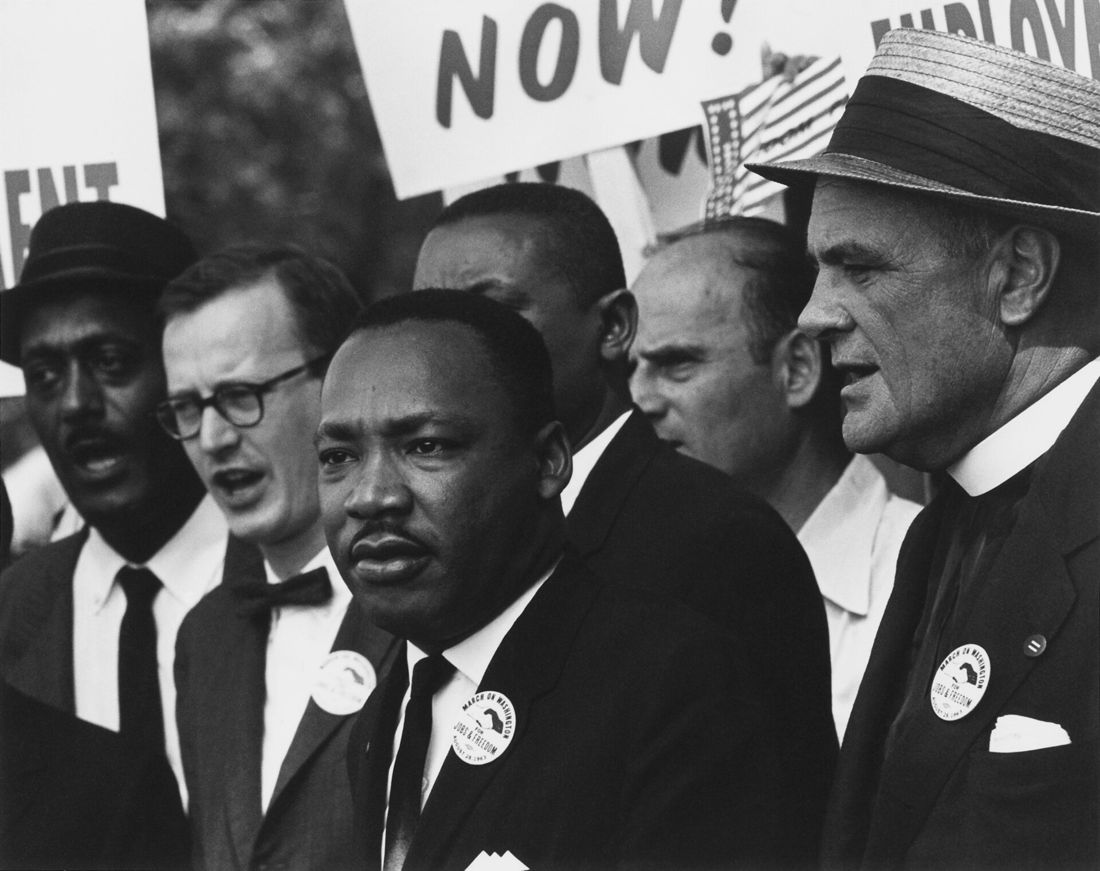

MLK: THE TRIAL THE NEWS MISSED
Dr. Martin Luther King Jr. was shot on the balcony of the Lorraine Motel. James Earl Ray, an escaped convict whose fingerprints were on a rifle and bundle abandoned near the scene, pleaded guilty in 1969, then recanted three days later and spent the rest of his life claiming he had been set up by a figure he knew as "Raoul." Ray died in prison in 1998. What separates the King case from every other entry in this section is what happened in a Memphis courtroom the following year. In 1999, the King family brought a wrongful death civil suit against Loyd Jowers, a Memphis cafe owner who had said on television in 1993 that he had taken part in a plot to kill King. After hearing weeks of testimony, a Shelby County jury found that Jowers and unnamed others, including governmental agencies, were liable for King's death. The King family, including Coretta Scott King, publicly said they believed Ray was innocent and that the assassination was a conspiracy involving the government. The Justice Department conducted an 18-month review and in 2000 rejected the trial's conclusions, finding no reliable evidence of a conspiracy and criticizing the Memphis proceedings. The King family disagreed with that review, on the record.
THE QUESTIONS
- A jury heard the witnesses and found a conspiracy. The DOJ reviewed paper and found none. Why has there never been a full public evidentiary hearing to settle which process got it right?
- Ray's handler "Raoul" was dismissed for decades. Why did investigators never produce a definitive account of who financed Ray's months of travel on an escaped convict's resources?