





ATLANTIS, TARTARIA, AND THE CRYSTAL SKULLS: THE CLOSING SHELF
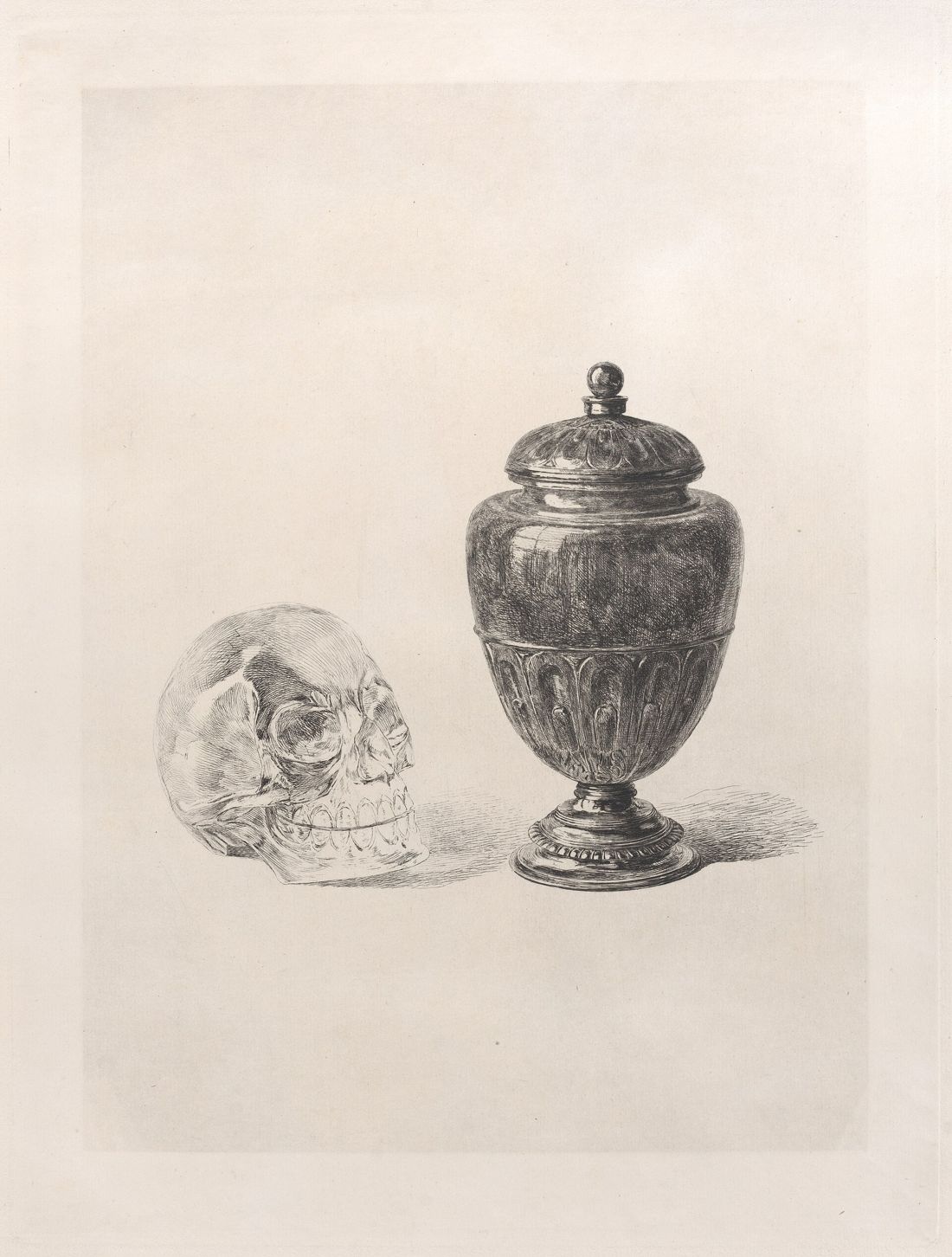
Three lost world theories close the ancient file. Atlantis enters the record in Plato's dialogues Timaeus and Critias, about 360 BCE, as a naval empire beyond the Pillars of Hercules that sank in a day and a night some 9,000 years before Solon; scholars read it as Plato's philosophical invention built on older Egyptian framing stories, while believers have placed it everywhere from the Atlantic to Antarctica. Tartaria and the mud flood are the newest claims in this archive, an internet era theory holding that a globe-spanning Tartarian empire of advanced architecture was erased in a mud flood and a historical reset within the last few centuries, its grand buildings reassigned to younger builders; historians note the theory rests on old maps that used Tartary as a geographic label for Central Asia and on misread photographs of building excavations. The crystal skulls, life-size quartz carvings said to be pre-Columbian, were tested directly: a 2008 study led by Smithsonian anthropologist Jane MacLaren Walsh examined the British Museum and Smithsonian skulls with electron microscopy and found rotary tool marks consistent with modern lapidary wheels, and no skull has ever been recovered from a documented archaeological excavation.
THE QUESTIONS
- Plato is the only source for Atlantis and he wrote philosophy in dialogue form. Why did he bury his one invented empire inside a genealogy of named priests, dates, and measurements, when his other inventions announce themselves as myths?
- The museums say the skulls failed the microscope, on tests the museums ran, on skulls the museums hold. The maps and the buried first floors of Tartaria are still sitting there, unexplained by any of it. One weak exhibit does not close a file this size, and The Info Soldier does not close it.
THE INFO SOLDIER’S VERDICT: Atlantis got one mention from Plato and two thousand years of searching. Tartaria got maps drawn by the men who sailed there. The establishment’s answer to all of it is a microscope it aims only at the exhibits it already owns. The file stays open.