




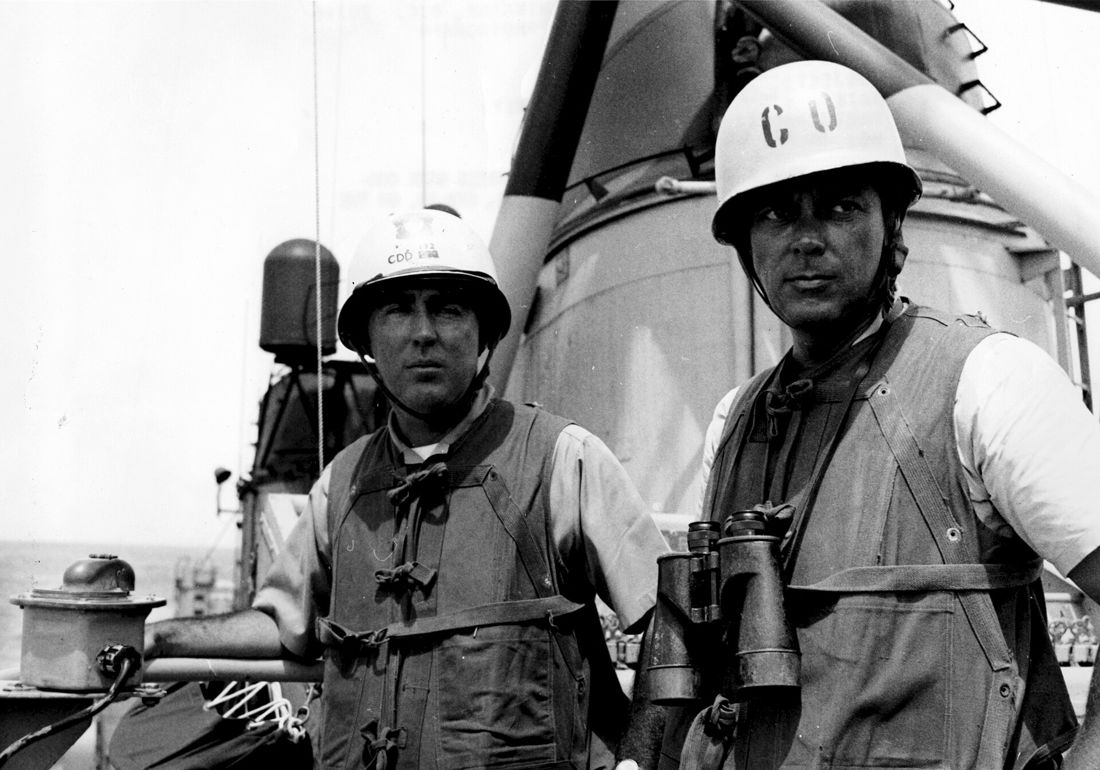

THE GULF OF TONKIN: THE ATTACK THAT WASN'T
The Vietnam War's legal foundation rests on two nights. On August 2, 1964, North Vietnamese torpedo boats genuinely attacked the destroyer USS Maddox. On August 4, the Maddox and the USS Turner Joy reported a second attack in bad weather, based on radar and sonar contacts that the task force commander himself began doubting within hours, cabling that review made many of the reported contacts and torpedoes "appear doubtful." Washington did not wait for the review. The Johnson administration presented the second attack as certain, Congress passed the Gulf of Tonkin Resolution on August 7 with two dissenting votes in the Senate and none in the House, and the resolution became the legal basis for a decade of war. In 2005, the NSA declassified an internal study by its own historian, Robert J. Hanyok, who concluded that the August 4 attack did not happen, that the signals intelligence had been mishandled and selectively presented, and that the intelligence made available to policymakers supported a conclusion the underlying intercepts did not.
THE QUESTIONS
- Hanyok's study sat inside the NSA for years before release. What else sits in classified historian files about the incidents that start wars?
- The pattern here, a reported attack, immediate certainty, instant legislation, recurs. Where else has it recurred?