





WACO AND RUBY RIDGE: THE SIEGES THAT BUILT A MOVEMENT
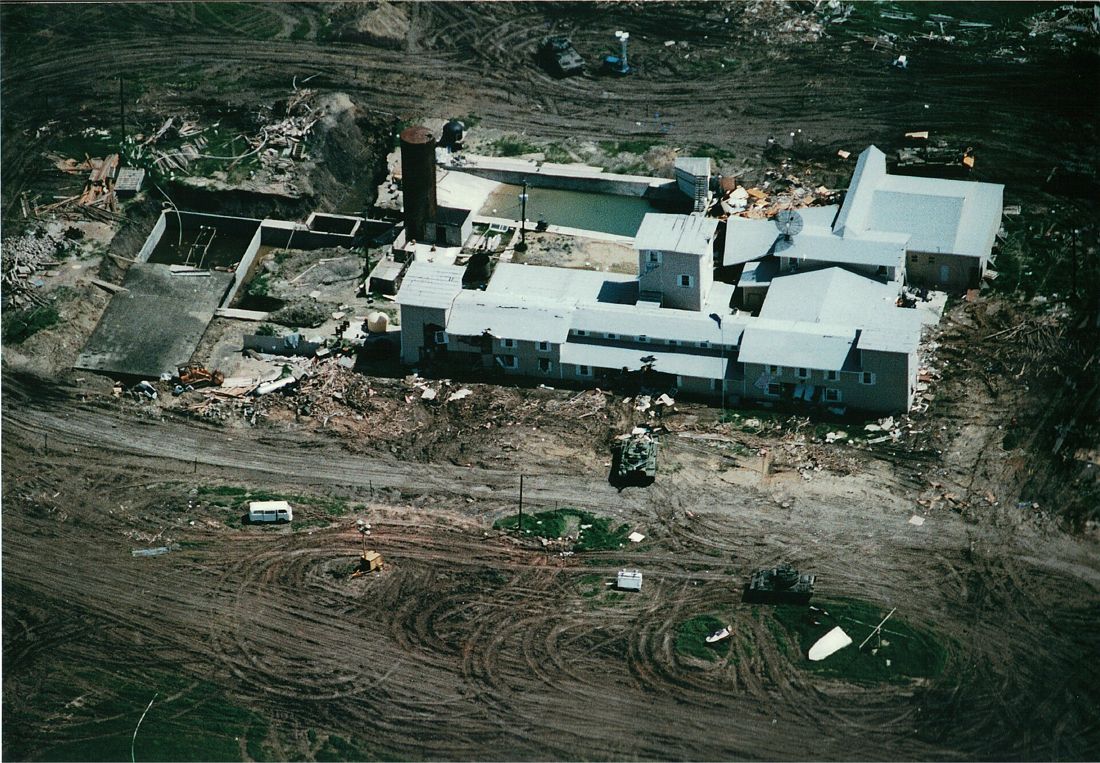
Two federal sieges in eight months created the modern template for distrusting federal law enforcement. At Ruby Ridge, Idaho, a surveillance operation against Randy Weaver, wanted on a weapons charge after failing to appear for a hearing whose date had been changed, ended with a US marshal and Weaver's 14-year-old son Sammy shot dead in an exchange of fire, and FBI sniper Lon Horiuchi killing Weaver's wife Vicki as she stood in a doorway holding her infant daughter. A Senate subcommittee later condemned the operation's rules of engagement, and the government paid the Weaver family a $3.1 million settlement. At Waco, Texas, the ATF's February 28, 1993 raid on the Branch Davidian compound left four agents and six Davidians dead; the 51-day FBI siege that followed ended on April 19 with a fire that killed 76 Davidians, including leader David Koresh and more than 20 children. For six years the government denied using any incendiary devices, until 1999, when the Justice Department admitted that pyrotechnic tear gas rounds had in fact been fired that morning, though it maintained they were used hours before the fire and did not cause it. Researchers continue to dispute the FLIR aerial footage, arguing it shows gunfire directed into the compound; the government's special counsel review under former Senator John Danforth concluded in 2000 that the Davidians started the fire and that government agents did not shoot at them.
THE QUESTIONS
- The government denied the pyrotechnic rounds for six years and admitted them only when evidence surfaced. What else in the Waco record is one document away from a revised answer?
- At Ruby Ridge the rules of engagement allowed shooting armed adult males on sight. Who wrote them, and were they ever written down anywhere else?