Deep Archive · File 1 of 32 · Full-Length

The Day in Dallas: The JFK Assassination
Dallas, Texas, November 22, 1963
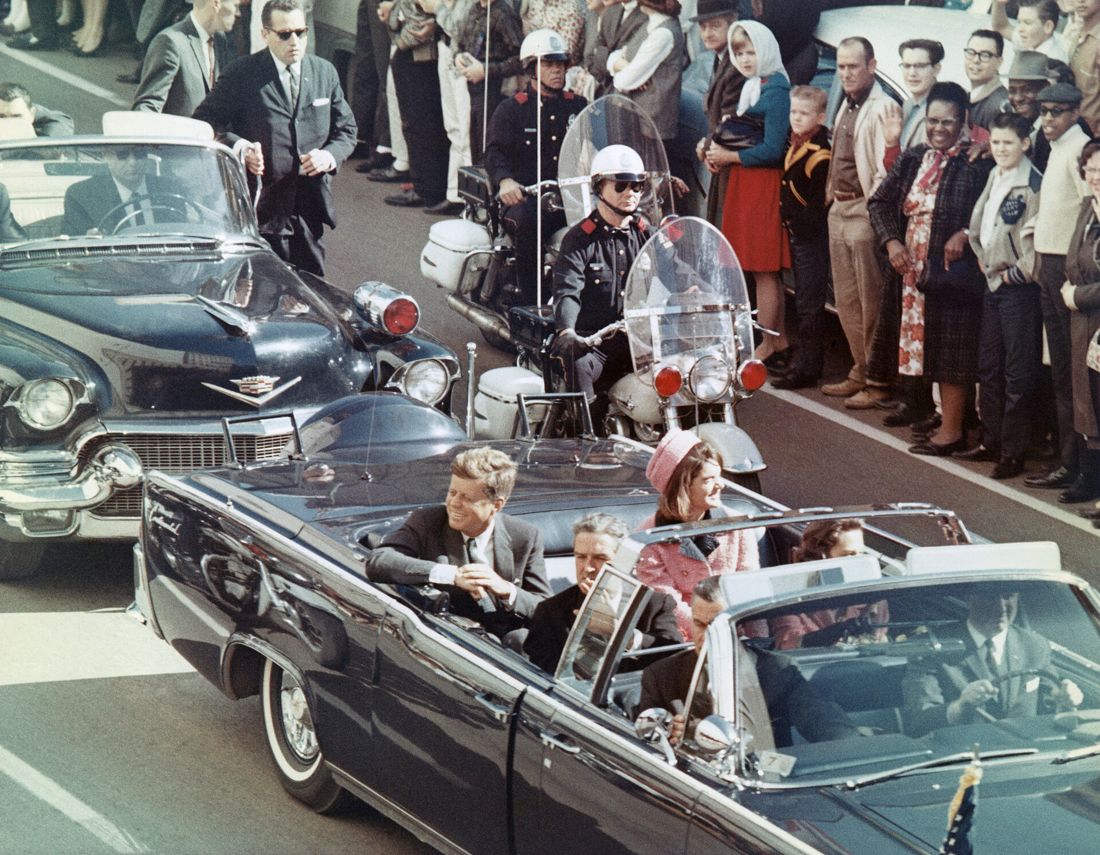
Every archive starts here, because this is where the modern gap between the official story and the public's trust first opened up, and it has never closed. A president was shot in an open car in front of hundreds of witnesses and a home-movie camera, the accused gunman was murdered on live television two days later by a nightclub owner with organized crime ties, and the government investigation that followed asked the country to accept a single bullet that wounded two men in ways that still strain belief.
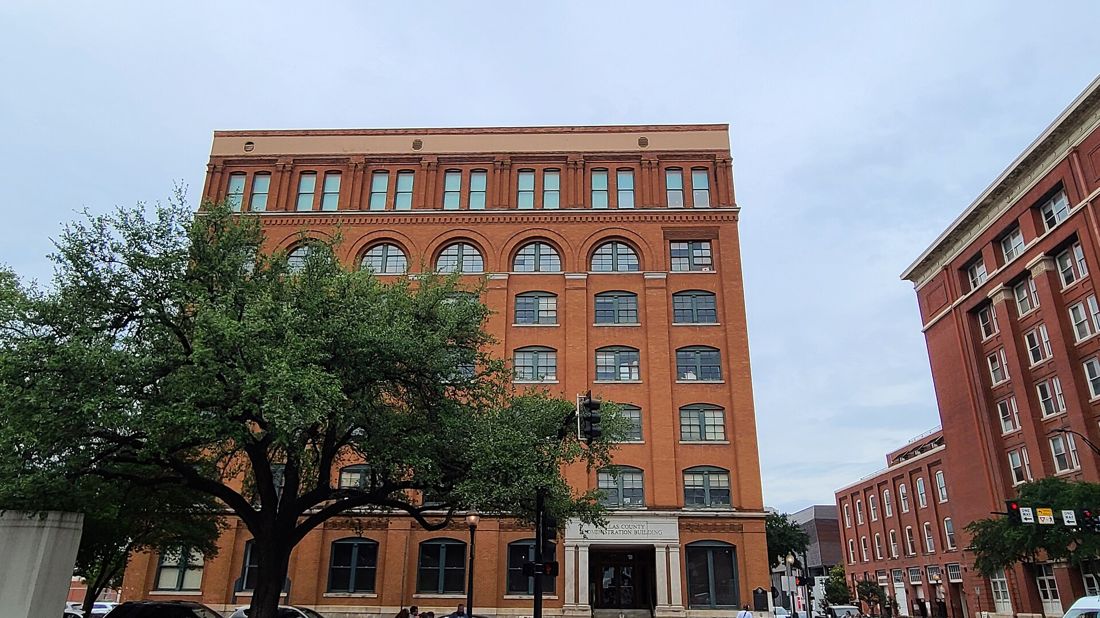
The Warren Commission concluded in 1964 that Lee Harvey Oswald, acting alone, fired three shots from the sixth floor of the Texas School Book Depository. Its case rests on the single-bullet theory: one bullet, Commission Exhibit 399, allegedly passed through President Kennedy's neck, then through Governor John Connally's chest, wrist, and thigh, and was recovered on a stretcher at Parkland Hospital in nearly pristine condition. Critics have spent sixty years asking how a bullet that shattered a rib and a wrist bone came out almost undeformed, and why so many Dealey Plaza witnesses, including railroad workers on the triple underpass and spectators on the grassy knoll, reported a shot or smoke from in front of the motorcade.
Then there is Oswald himself, who does not fit the profile of a nobody. He was a Marine radar operator once stationed at Atsugi, Japan, a U-2 base. He defected to the Soviet Union in 1959 and returned in 1962 with no prosecution. The CIA opened a 201 file on him in 1960 and monitored his contacts. In late September 1963 he traveled to Mexico City, visited the Soviet and Cuban embassies, and, according to CIA records, made contact with a Soviet consular official the agency identified as a KGB officer. The CIA photographed and recorded around those embassies, yet told the Warren Commission remarkably little of what it had. In 1979, the House Select Committee on Assassinations concluded that Kennedy was "probably assassinated as a result of a conspiracy," a second United States government investigation reaching the opposite headline conclusion from the first. The committee's finding leaned on acoustic analysis of a police Dictabelt recording that its experts read as a fourth shot from the grassy knoll. A National Research Council panel disputed that acoustic reading in 1982, but the HSCA conclusion has never been formally withdrawn.
The film of the killing, 26 seconds shot by Abraham Zapruder, was bought by Life magazine and withheld from television broadcast until 1975, while the government held the autopsy photographs and X-rays under restrictions imposed by the Kennedy family. On January 23, 2025, President Trump signed Executive Order 14176 ordering full release of the remaining records. The National Archives posted the bulk of them beginning March 18, 2025, more than 80,000 pages across the 2025 releases, most of them unredacted versions of documents released years earlier with passages blacked out. No second gunman stepped out of the pages, because gunmen are not what agencies file. What researchers found instead was more of the pattern: a June 1961 memo from adviser Arthur Schlesinger Jr. telling Kennedy that 47 percent of the political officers in US embassies were intelligence personnel, detailed files on the CIA's deep surveillance of Oswald in Mexico City, and memos around counterintelligence chief James Angleton that researchers told a 2025 House task force showed the agency had tracked Oswald far more closely, and shared far less, than it ever admitted. Sixty years on, the files keep confirming that the agencies hid what they knew. The argument is over what, exactly, they were hiding it for.
THE QUESTIONS
- Why did the CIA withhold the depth of its Oswald file, including his Mexico City contacts, from the Warren Commission, and who inside the agency made that call?
- How does Commission Exhibit 399 stay nearly intact after doing everything the single-bullet theory requires of it?
- If the HSCA's acoustic evidence was wrong, why has no government body ever explained the witnesses who reported shots and smoke from the grassy knoll?
- Why were the autopsy materials and the Zapruder film kept from the public for so long if the case was closed in 1964?
- The 2025 releases filled in the CIA's surveillance of Oswald in detail. If he was a lone nobody, why was a lone nobody watched that closely?
THE INFO SOLDIER’S VERDICT: A president shot in an open car, his accused killer murdered on live television, a second government investigation that found a conspiracy, and sixty years of files pried loose one lawsuit at a time. The lone gunman is the official account. The pattern is the story, and the pattern says Dallas was a job.
INSIDE THE ARTICLE, MORE FROM THE FILE
Watch: the Zapruder film, the 26 seconds everything argues about (Internet Archive copy)